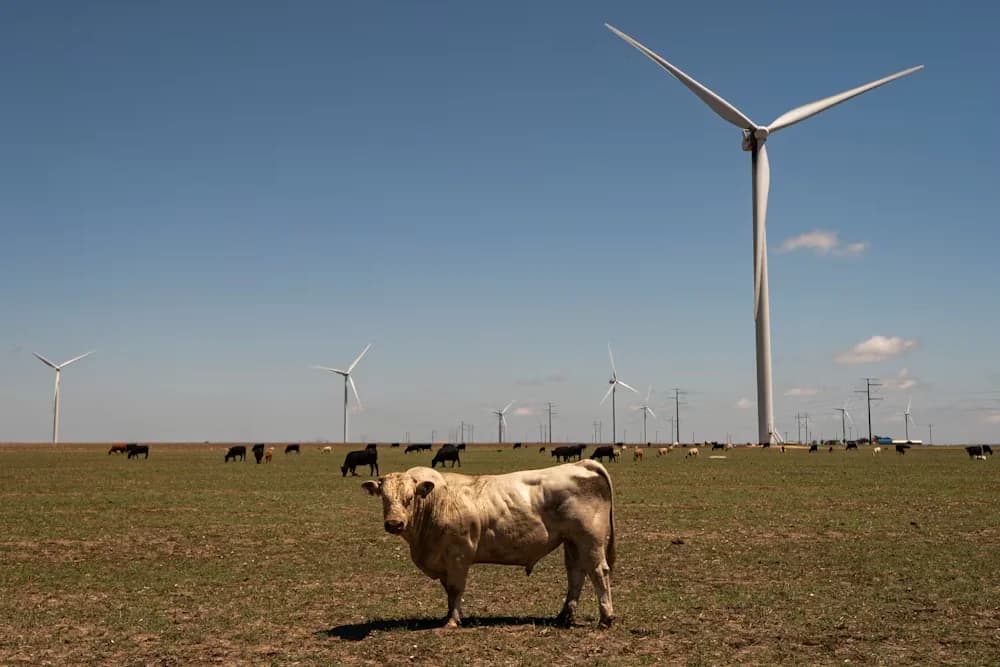
The United States surpassed 100 gigawatt-hours of cumulative operational battery energy storage in the first quarter of 2026, a milestone that analysts say marks the turning point at which renewable energy becomes reliably dispatchable around the clock. The landmark was driven by a massive wave of utility-scale installations in California, Texas, and the Southeast.
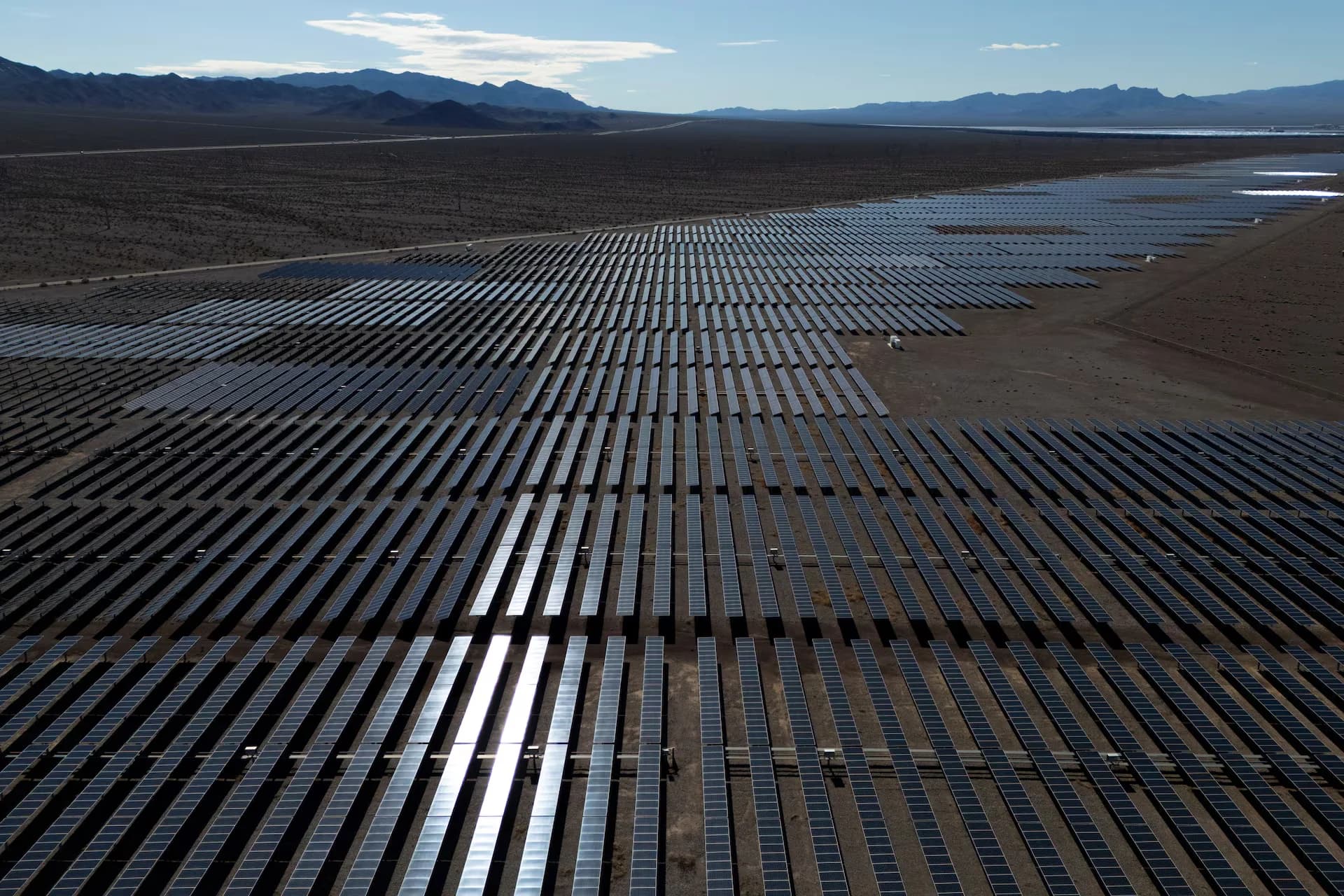
Solar installations also set a record in Q1, with 28 GW of new capacity added — more than in any full year before 2024. The combination of cheap solar and affordable batteries is driving wholesale electricity prices to near zero during peak daylight hours in some markets, fundamentally altering the economics of electricity generation.
The Energy Information Administration projects that renewables will account for 42% of US electricity generation in 2026, up from 21% in 2020, driven almost entirely by the falling costs of solar panels and lithium-ion batteries.