In a historic leap forward for American clean marine energy, Secretary of the Interior Deb Haaland on Monday announced the formal authorization of the largest floating offshore wind commercial lease auction in United States history. The approved regulatory framework, finalized by the Bureau of Ocean Energy Management (BOEM), opens six expansive deepwater lease areas encompassing over 420,000 ocean acres off the coasts of Coos Bay, Oregon, and Humboldt County, Northern California, capable of generating over six gigawatts of continuous, clean electricity.
Tapping the Deepwater Pacific Wind Engine
Unlike the Atlantic Outer Continental Shelf—where shallow ocean depths permit wind turbine foundations to be driven directly into the seabed using traditional monopiles—the Pacific continental shelf drops precipitously into depths exceeding 2,500 feet within a few miles of the shoreline. To capture the ferocious, uninterrupted maritime wind regimes of the Pacific Northwest, developers must deploy cutting-edge floating turbine platforms anchored to the seabed via tensioned synthetic mooring cables.
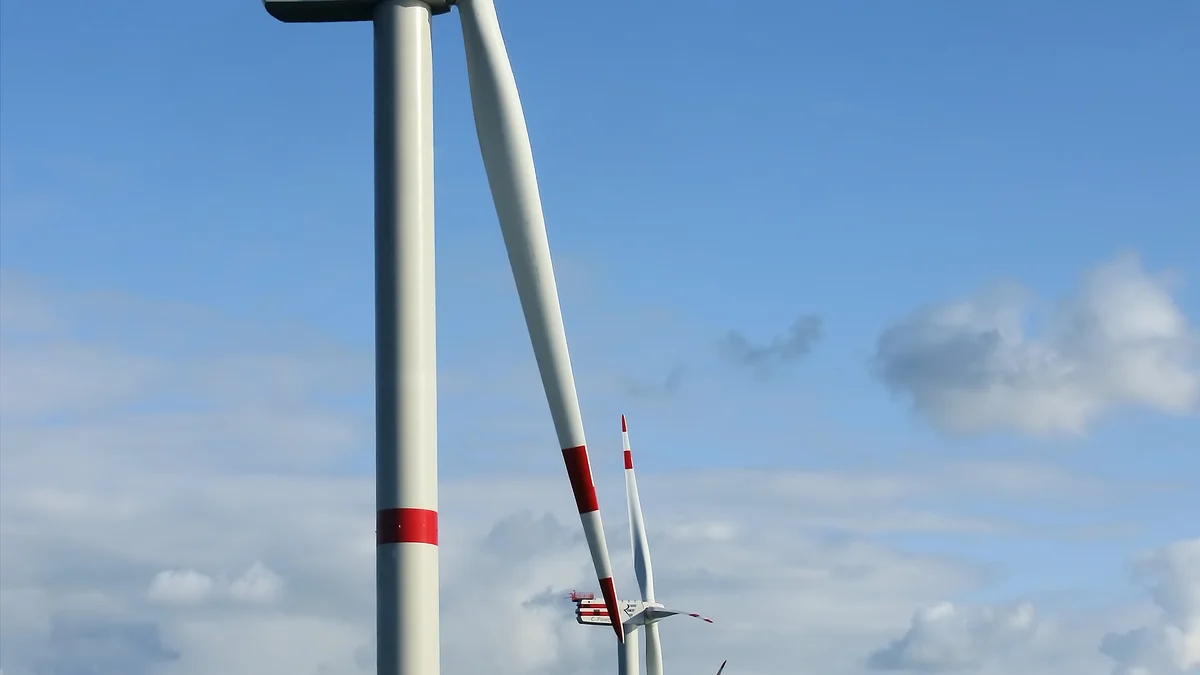
Each floating platform will support massive, next-generation 18-megawatt offshore turbines equipped with carbon-fiber blades spanning longer than two football fields. Because ocean winds off the Oregon and California coastlines blow strongest during late afternoon and early evening hours, floating offshore wind perfectly complements onshore solar generation, delivering abundant clean power precisely when regional air conditioning and evening electrical demand peaks.
Grid Modernization and Union Port Infrastructure
"The Pacific Ocean holds some of the most powerful, untapped clean energy resources on Earth," Secretary Haaland stated during a press briefing in Coos Bay alongside regional governors and labor leaders. "Today's decision mobilizes billions of dollars in private capital, revitalizes historic timber and maritime ports into advanced assembly hubs, and guarantees that the American West leads the global clean industrial revolution."
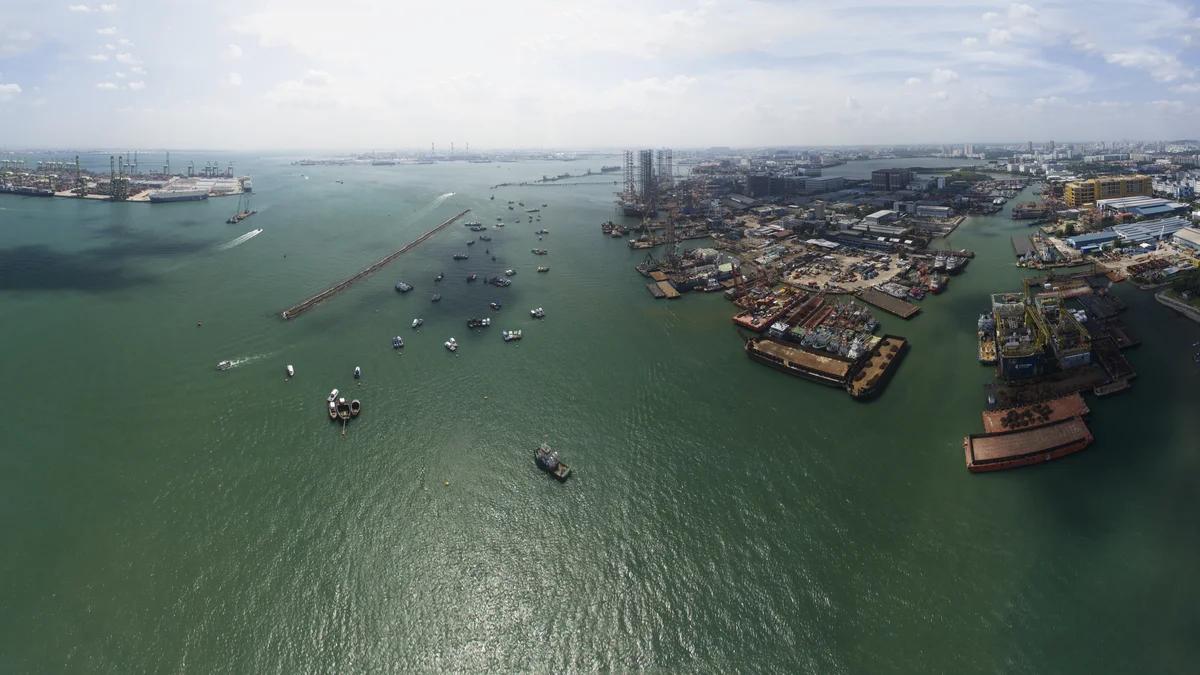
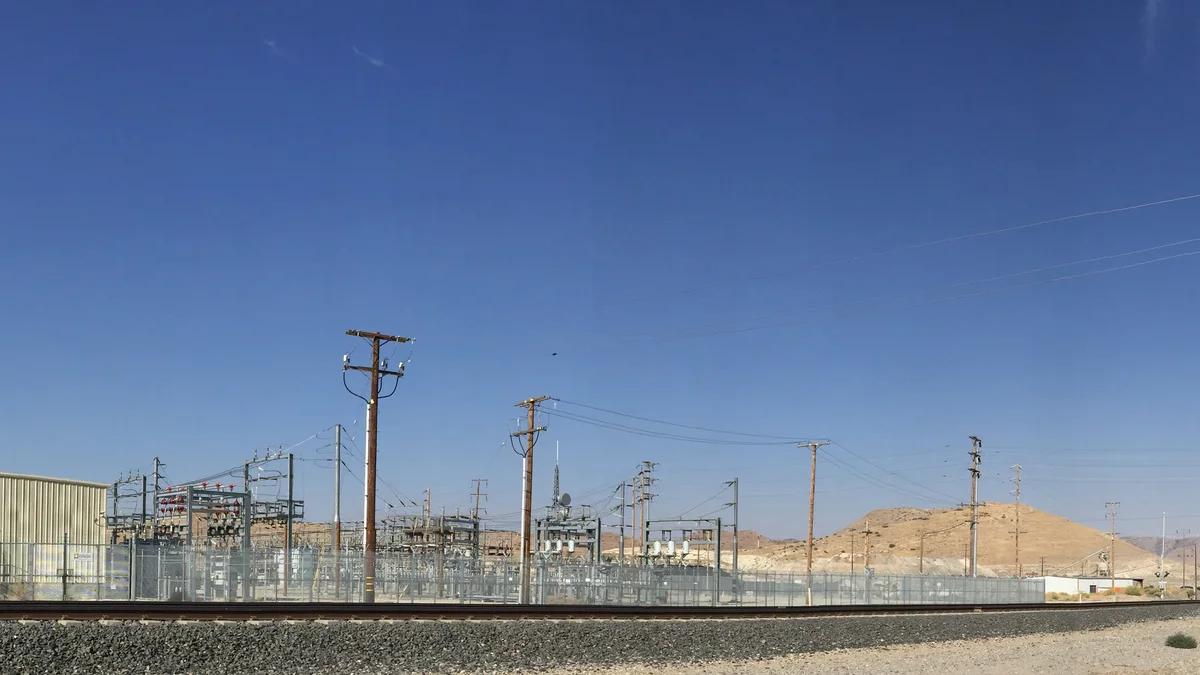
The federal leasing framework includes binding domestic supply chain and project labor agreements. Winning offshore developers are legally required to invest over 680 million dollars into upgrading municipal port facilities in Coos Bay, Eureka, and Long Beach, transforming aging dockyards into specialized staging terminals capable of assembling 10,000-ton floating steel semi-submersible substructures utilizing unionized domestic steelworkers and marine trades.
Rigorous Marine Ecosystem Safeguards
To address legitimate concerns voiced by coastal commercial fishing fleets and tribal nations, BOEM conducted an exhaustive forty-month environmental impact statement in close partnership with the National Oceanic and Atmospheric Administration (NOAA) Fisheries. The finalized lease zones were shifted twenty miles farther offshore beyond the continental shelf break, completely circumventing critical migratory corridors for gray whales, Dungeness crab grounds, and commercial salmon troll areas.
Furthermore, developers must deploy continuous acoustic marine mammal monitoring arrays and automated passive radar that automatically throttles turbine blade rotation during peak seasonal seabird migration events. Commercial lease bidding is scheduled to open in March 2027, with the initial wave of floating turbines projected to deliver clean baseload power to more than two million West Coast households by 2030.