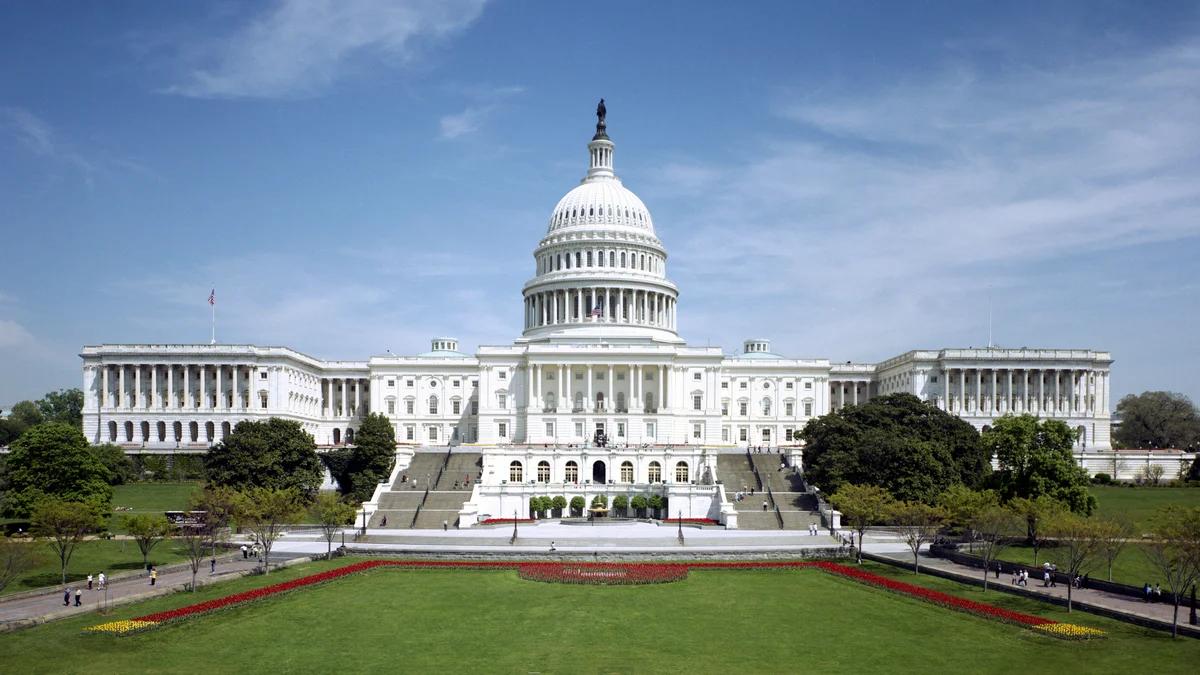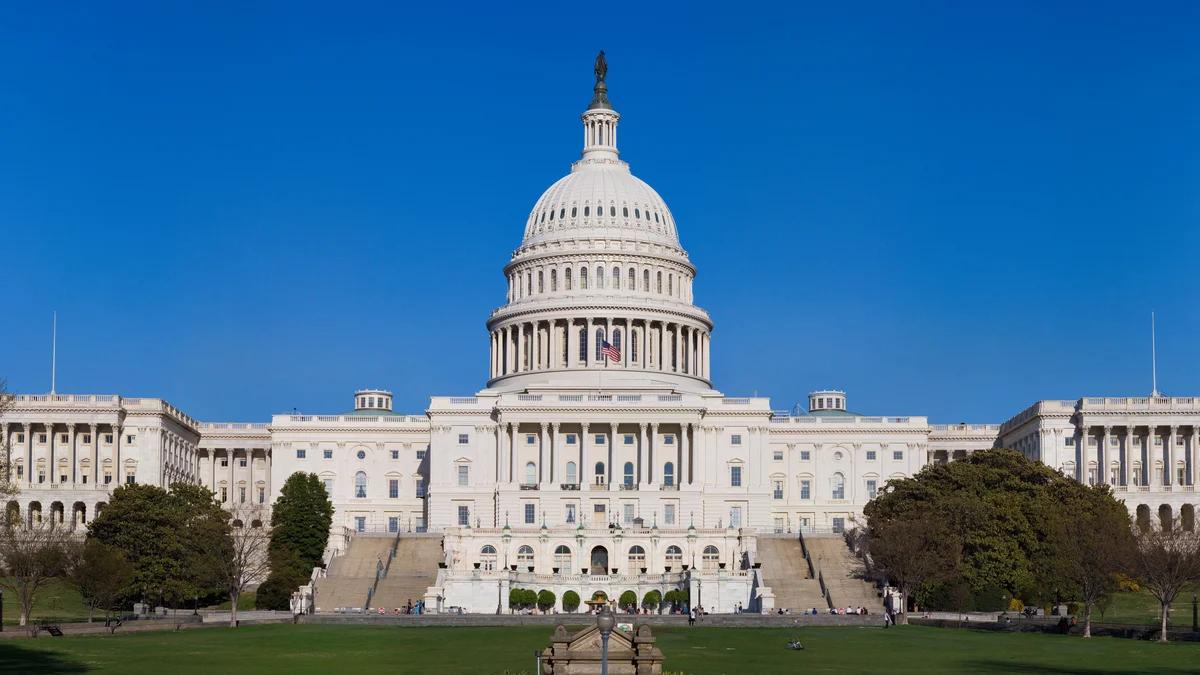
In a rare and substantial fiscal reassessment that sparked immediate bipartisan debate across Capitol Hill, the nonpartisan Congressional Budget Office (CBO) on Saturday published an updated five-year budget baseline. The economic monograph significantly improves the United States government's medium-term fiscal trajectory, trimming the projected federal budget deficit for fiscal year 2027 to 1.45 trillion dollars—a 220-billion-dollar improvement over estimates published in early summer.
Surging Corporate Profits and the 15% Global Minimum Tax
According to the CBO's exhaustive analytical breakdown, the primary catalyst for the revenue surge is an unprecedented influx of corporate income tax receipts. Domestic corporate tax payments for fiscal year 2026 ran eighteen percent ahead of historical benchmarks, propelled by robust balance sheets across the technology, aerospace defense, and domestic energy sectors, alongside the formal enforcement of the OECD Pillar Two 15 percent global corporate minimum tax framework.
The global minimum tax, ratified by over one hundred and forty jurisdictions and mirrored in domestic federal alternative minimum tax statutes, has drastically curtailed multinational tax-haven profit-shifting. U.S.-based multinational conglomerates that historically sheltered intellectual property royalties and licensing proceeds in low-tax jurisdictions in Bermuda, Ireland, and the Cayman Islands have repatriated core accounting operations to domestic subsidiaries, resulting in a direct windfall for the United States Treasury.
Automated IRS Audits and the Closure of the High-Net-Worth Tax Gap
"Our upward revision reflects tangible macroeconomic data: sustained domestic productivity growth, stable labor market participation, and structural gains in tax compliance efficiency," explained CBO Director Phillip Swagel during a briefing for congressional fiscal committees. "The combination of higher real GDP growth and modern, automated compliance systems has structurally widened the federal government's tax collection base without necessitating statutory rate hikes."
The report highlighted the tangible returns yielded by the multi-year technology modernization program at the Internal Revenue Service (IRS). By deploying advanced algorithmic pattern-matching engines across complex pass-through partnership filings and offshore corporate structures, IRS enforcement agents recovered over 68 billion dollars in previously uncollected high-net-worth tax liabilities over the past fourteen months alone, closing nearly twelve percent of the estimated national "tax gap."
Bipartisan Reactions and the Approaching 2027 Tax Expiration Debate
The CBO's optimistic revised projections arrived at a pivotal political juncture, as congressional lawmakers prepare for the colossal 2027 legislative showdown surrounding the expiration of individual tax provisions from the 2017 Tax Cuts and Jobs Act. Congressional leaders from both sides of the aisle seized on the figures to buttress their competing economic philosophies.
House Ways and Means Committee Chairman Jason Smith (R-MO) praised the figures as proof that lower statutory corporate rates and business investment incentives fuel economic expansion that naturally lifts Treasury revenues. Conversely, Senate Finance Committee Chairman Ron Wyden (D-OR) underscored that the revenue gains were directly attributable to aggressive international minimum tax standards and robust IRS enforcement targeting elite tax evasion, urging lawmakers to reinvest the fiscal dividend into universal childcare tax credits and deficit reduction.
While the CBO cautioned that long-term fiscal pressures stemming from rising Medicare outlays and net interest payments on the 36-trillion-dollar national debt remain formidable challenges, the near-term deficit shrinkage provides fiscal policymakers with significantly more legislative maneuvering room as budget reconciliation negotiations loom on the 2027 calendar.