As the holiday shopping season accelerates toward its premier consumer milestone, the National Retail Federation (NRF) and Adobe Analytics published joint consensus forecasts on Saturday projecting that American shoppers will spend an unprecedented 11.8 billion dollars on Black Friday. The anticipated 8.2 percent year-over-year surge represents the highest single-day retail expenditure in American commercial history, propelled by steady consumer wage gains, deflationary electronic hardware pricing, and a radical architectural transformation across domestic supply chain logistics.
Autonomous Fulfillment Networks Redefine Speed and Efficiency
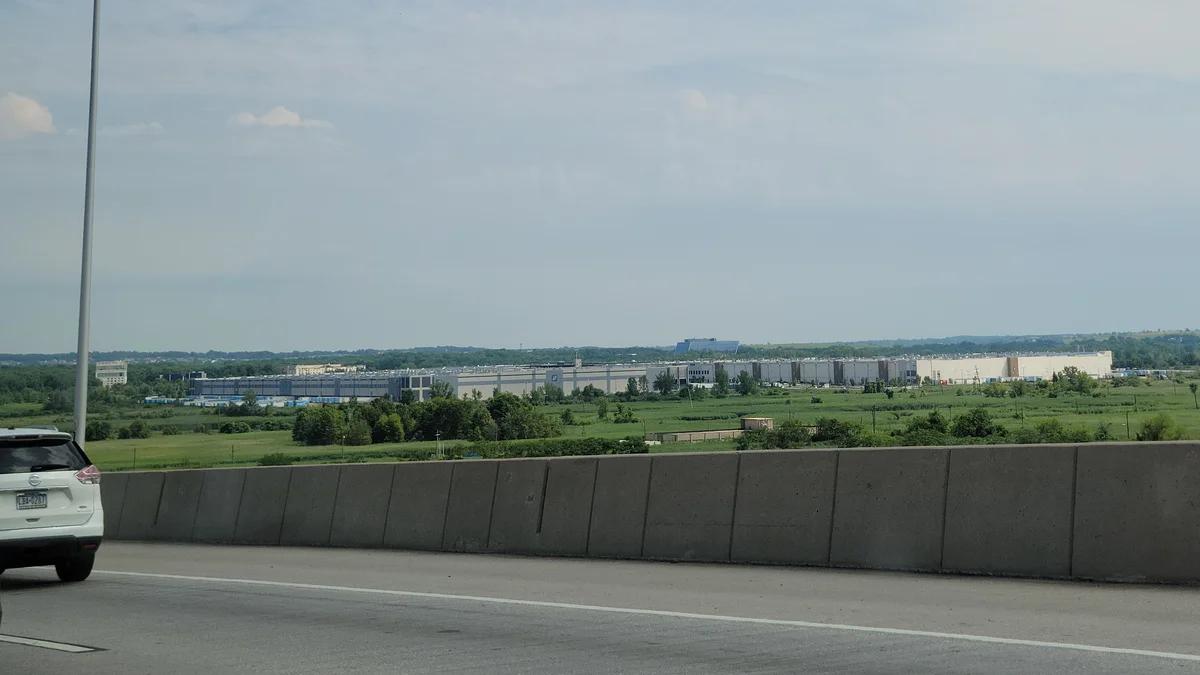
Behind the optimistic spending projections lies a multi-billion-dollar infrastructure overhaul that has fundamentally altered how goods move from distribution centers to front porches. Over the past twenty-four months, major retail conglomerates—including Amazon, Walmart, and Target—have transitioned more than seventy percent of their primary fulfillment footprints to fully automated, AI-orchestrated micro-hubs located within twenty miles of major metropolitan population centers.
Equipped with robotic autonomous mobile robots (AMRs) that navigate multi-tier warehouse mezzanines with millimeter precision, these next-generation distribution hubs have collapsed the time between digital checkout clicks and delivery dispatch from four hours to under eighteen minutes. This technological leap allows retailers to offer guaranteed same-day delivery on over thirty million product categories, removing the last major friction point between physical retail storefronts and digital e-commerce channels.
Consumer Spending Resilience Across Key Categories
"What we are witnessing is not merely a quantitative bump in consumer appetite, but a qualitative evolution in shopping behavior," explained Matthew Shay, President and CEO of the National Retail Federation, during an industry panel in Chicago. "Consumers are entering the holiday weekend with fortified household balance sheets, lower gasoline prices, and stable wage growth. Retailers have responded with sophisticated, dynamically priced promotional bundles that reward early shoppers without triggering margin erosion."
Data aggregates from Mastercard SpendingPulse indicate that consumer interest is concentrated heavily in four primary commercial categories:
Next-Generation Electronics: AI-enabled personal laptops, spatial computing headsets, and next-gen smart home appliances are tracking eleven percent ahead of 2025 sales volumes.
Apparel and Footwear: Athleisure and sustainable outdoor performance apparel are benefiting from targeted promotional discounts averaging twenty-four percent.
Experiential Hospitality: Airline flight packages, resort accommodations, and multi-city concert ticket vouchers are commanding record early holiday bookings.
Home Goods and Smart Kitchen: Energy-efficient induction cooktops and automated home maintenance robotics represent the fastest-growing domestic sub-sector.
The Labor Landscape and Frontline Logistics Support
To support the massive surge in fulfillment throughput, retail operators have adopted a collaborative workforce model that pairs human team members with robotic lifting exoskeletons and automated sorting gantries. Warehouse safety metrics across major regional centers show a forty percent reduction in ergonomic repetitive-strain injuries compared to the 2022 holiday season, easing seasonal hiring shortages that previously challenged the sector.
Commercial freight carriers UPS, FedEx, and the United States Postal Service (USPS) confirmed that their synchronized sorting facilities are operating at ninety-nine percent on-time dispatch capacity. With weather forecasting models indicating mild, clear weather conditions across the Eastern and Central United States through Thanksgiving Day, the stage is set for a historic shopping weekend that will provide a resounding exclamation point to American retail vitality in 2026.