Marking one of the few tangible breakthroughs of the COP31 United Nations Climate Change Conference in Antalya, Turkey, the World Meteorological Organization (WMO) and the UN Office for Disaster Risk Reduction (UNDRR) presented a landmark assessment on Monday revealing that 136 nations have successfully deployed operational multi-hazard early warning systems (MHEWS)—doubling global coverage compared to five years ago.
The progress report—delivered during ministerial adaptation sessions—highlighted that rapid investments in satellite meteorology, automated hydrologic river gauges, and AI-assisted cellular broadcast alerts have substantially reduced mortality rates from catastrophic floods, cyclones, and wildfires across vulnerable developing regions. Communities equipped with comprehensive early warning networks experience disaster fatality rates up to eight times lower than regions lacking automated alert infrastructure.
Critical Protection Gaps in Small Island and Fragile States
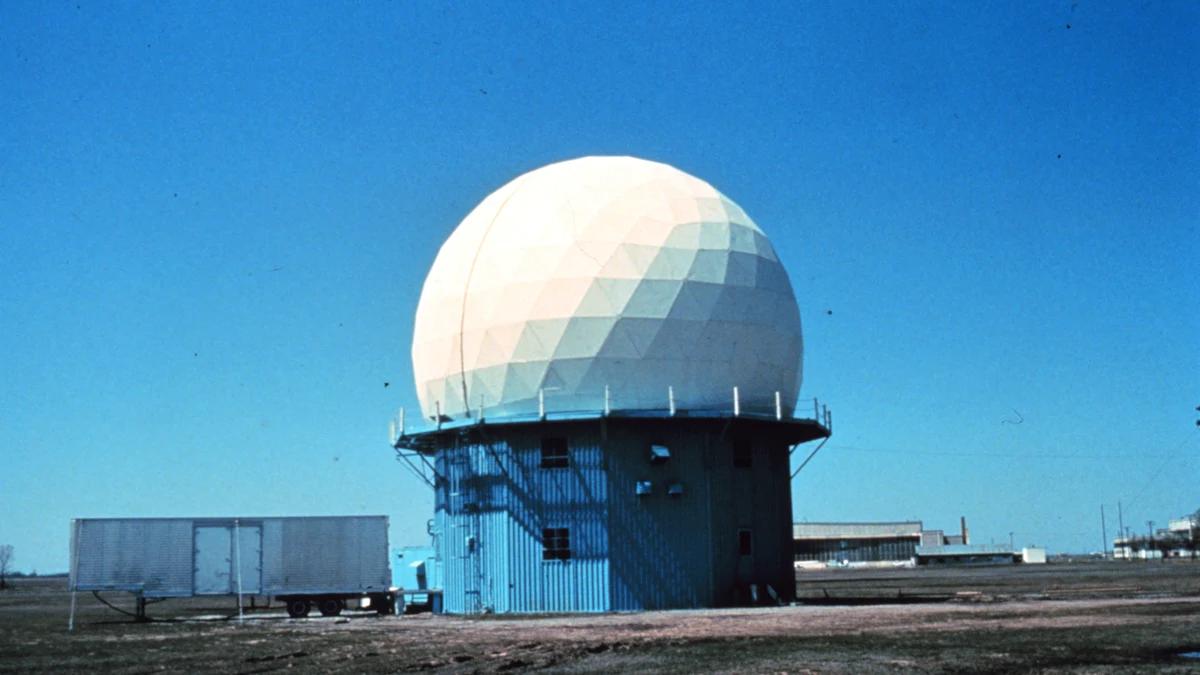
Despite the substantial global expansion, UN Secretary-General António Guterres and WMO leadership warned delegates against premature self-congratulation. The report documented severe, life-threatening gaps across Small Island Developing States (SIDS) and least-developed nations in Sub-Saharan Africa, where nearly forty countries still lack basic Doppler radar networks, reliable emergency electrical power, or decentralized communication protocols.
Delegates from low-lying Pacific and Caribbean island nations underscored that early warning hardware alone cannot prevent catastrophic economic destruction when sea walls collapse and Category 5 super-typhoons obliterate civil infrastructure. Small island representatives demanded that wealthy industrialized economies honor long-delayed loss-and-damage climate finance pledges, emphasizing that warning citizens to evacuate is meaningless if there are no elevated cyclone shelters or resilient freshwater supplies to sustain them.
"Early warning systems are not an optional diplomatic luxury; they are the most cost-effective, proven life-saving tool in our climate adaptation arsenal," WMO Secretary-General Celeste Saulo affirmed. "A twenty-four-hour advance warning of an impending flood or hurricane can reduce localized economic damage by thirty percent and save thousands of lives."
Integrating AI and Satellite Supercomputing into Disaster Preparedness
The presentation coincided with demonstrations of cutting-edge technological partnerships unveiled at COP31. Research institutes from the United States and Europe demonstrated how advanced generative climate emulators and low-Earth-orbit radar constellations can forecast localized rainfall intensities down to individual municipal watersheds within minutes, replacing cumbersome computational models that previously required hours to process.
As negotiations enter their final week in Antalya, multinational development banks agreed to commit an additional $1.8 billion in concessional financing to close remaining radar and telecommunications gaps across thirty vulnerable African and Caribbean nations before 2028, ensuring that every human being on Earth is shielded by early warning protection.