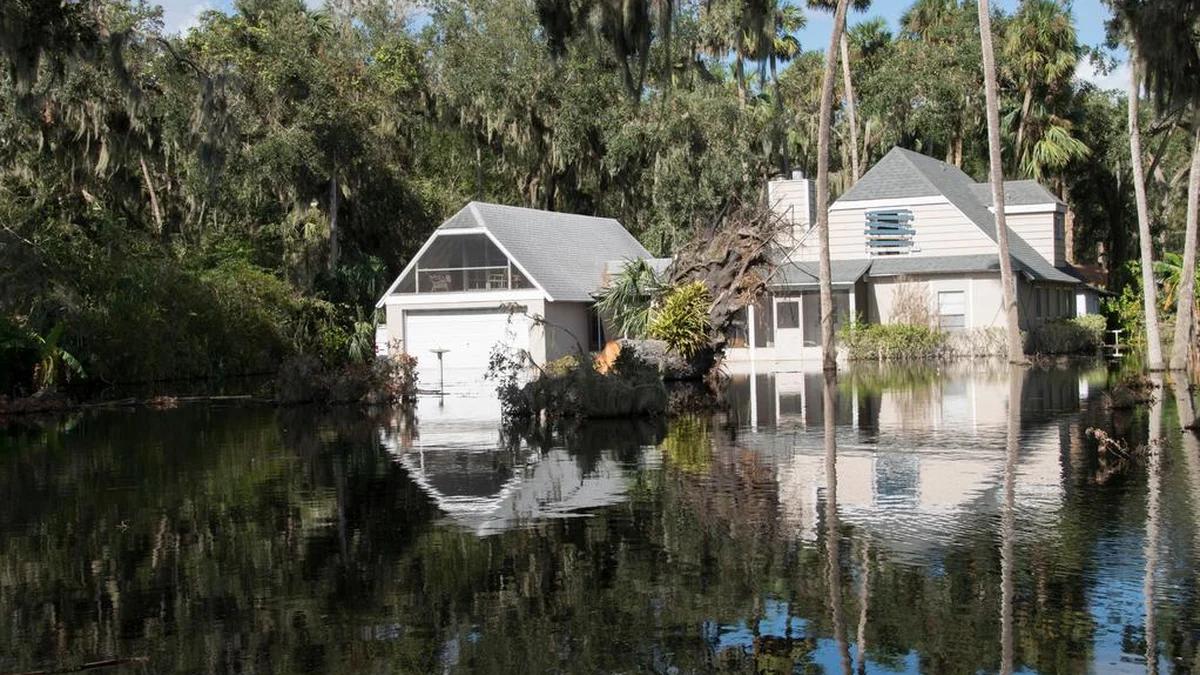
A relentless subtropical low-pressure system colliding with seasonal king tides unleashed catastrophic torrential downpours across South Florida on Thursday, inundating low-lying coastal neighborhoods, stranding hundreds of motorists along major arterial corridors, and forcing educational institutions and municipal offices across Miami-Dade and Broward counties to abruptly suspend operations.
The National Weather Service issued expansive Flash Flood Warnings stretching from Homestead north through Fort Lauderdale, warning residents that localized rainfall rates exceeded three to four inches per hour during peak bands. The sudden deluge overwhelmed municipal stormwater pumping networks, transforming dense urban avenues such as Biscayne Boulevard and sections of the Dolphin Expressway into impassable waterways.
Academic Closures and Emergency Travel Restrictions
Faced with submerged parking facilities and treacherous commuting routes, Miami Dade College announced an emergency cancellation of all on-campus classes and administrative services across its eight regional campuses. Florida International University and several Broward public school districts enacted similar precautionary closures, directing students and faculty to transition to remote virtual learning protocols.
"Public safety remains our absolute and uncompromising priority during severe convective storm events," announced Miami-Dade County emergency management officials during a morning media briefing. "Our municipal public works teams have activated all auxiliary mobile diesel pumps and opened flood gates across regional canal basins. We urge all residents to stay off roadways, avoid attempting to navigate standing floodwaters, and allow emergency rescue personnel unhindered access to vulnerable low-lying districts."
King Tides and the Compound Risk of Coastal Sea Level Rise
Hydrologists and atmospheric scientists noted that the severity of Thursday's flooding was acutely compounded by the convergence of peak autumn king tides. When ocean water levels swell against the South Florida coastline, gravity-fed stormwater drainage outfalls become back-pressured, preventing urban runoff from discharging into Biscayne Bay and the Atlantic Ocean.
State emergency management coordinators dispatched specialized high-water rescue vehicles and deployed portable sandbag distribution hubs across coastal barrier islands. While rainfall intensities began tapering toward Thursday afternoon, meteorologists warned that saturated soil profiles and recurring high-tide cycles will maintain elevated flood risks throughout the upcoming weekend.
Urban planning advocates pointed to the event as further evidence of the urgent necessity for accelerated federal investments in resilient civil infrastructure, calling on regional authorities to expand subterranean retention vaults, elevate roadway foundations, and aggressively harden electrical substations against rising coastal water tables.