For more than a decade, the titans of Silicon Valley marketed themselves as the pristine, virtuous champions of the green transition. Their corporate campuses gleamed with solar panels, their executives delivered impassioned keynotes on planetary stewardship, and their balance sheets boasted elaborate accounting maneuvers proclaiming 100 percent renewable energy matching. But under the blinding flash of the generative artificial intelligence boom, that polished green façade has fractured, exposing an uncomfortable and hypocritical truth: when forced to choose between carbon neutrality and computational dominance, Big Tech will choose the electrons every single time, regardless of where they come from.
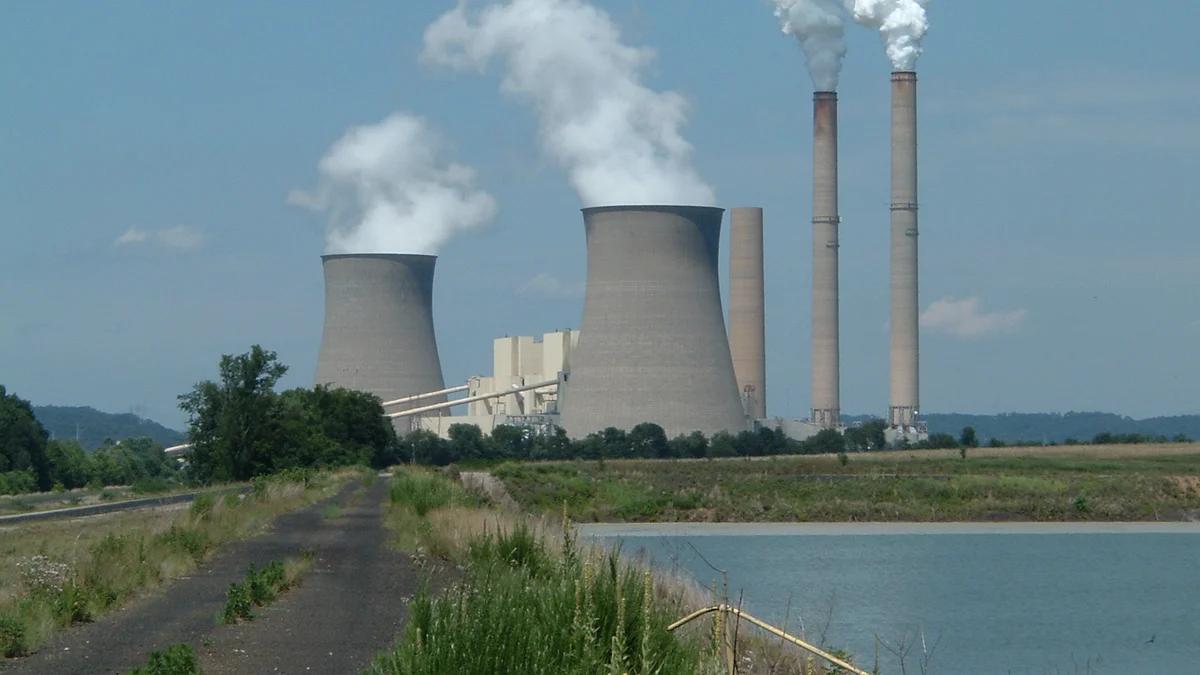
The International Energy Agency's alarming projection on Thursday—warning that AI data centers will drive a 70 percent surge in global computing carbon emissions by 2030—does not describe a distant theoretical hazard; it documents an operational reality already unfolding across the American landscape. From the data center corridors of Northern Virginia to the desert plains of Arizona, regional utility regulators are quietly extending the operational lifespan of aging coal units and approving billions in new natural gas generation specifically to feed the unquenchable hunger of machine learning clusters.
The Fallacy of Virtual Power Purchase Agreements
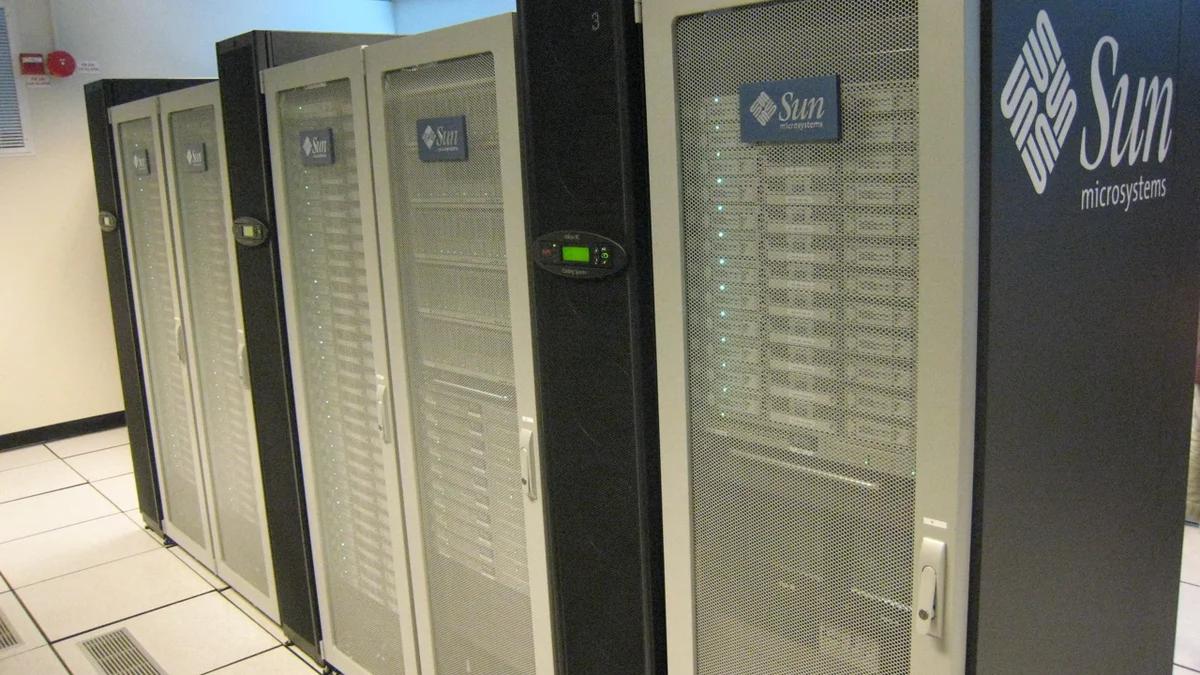
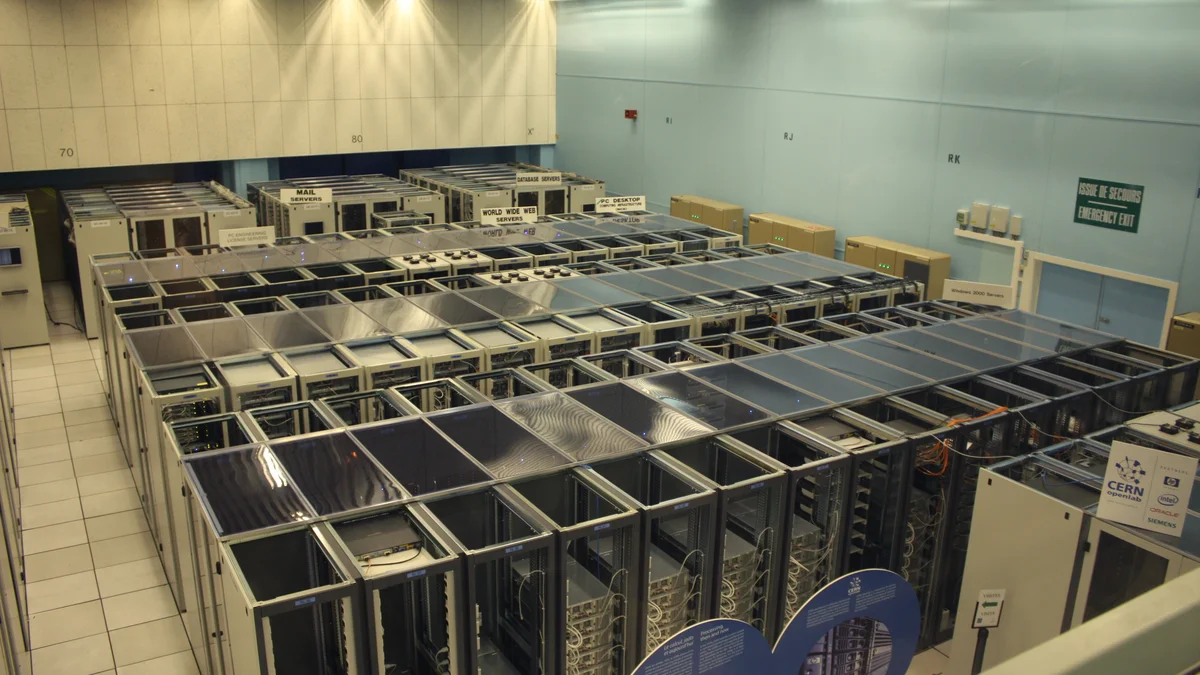
For years, tech hyperscalers relied on Virtual Power Purchase Agreements (VPPAs) and renewable energy certificates (RECs) to claim net-zero compliance. A company would finance a wind farm in windy Wyoming, allow the electricity to flow into the local grid, and claim that credit against the power consumed by their data center in Virginia. But the laws of physics do not respect financial arbitrage. High-performance GPU clusters require 24/7/365 continuous, unwavering baseload power. When the wind ceases to blow and the sun dips beneath the horizon, those server racks do not pause their neural training runs; they pull raw, fossil-heavy electrons directly from the local regional grid.
"We have indulged in an elaborate fantasy that we can build an infinite digital universe without physical consequences," observes energy infrastructure analyst Rachel Morrison. "Every conversational prompt, every synthetic video generation, every massive parameter weight update consumes physical water for cooling and physical fossil fuel for baseload generation. We are trading real-world atmospheric stability for digital convenience."
A Reckoning for Public Policy and Corporate Accountability
The solution is not to halt technological progress, but to enforce rigorous physical honesty. If technology corporations insist on building gigawatt-scale computing centers that rival the energy demands of medium-sized cities, federal and state regulators must mandate that they supply their own dedicated, truly carbon-free baseload power: investing directly in on-site advanced nuclear small modular reactors, geothermal wells, and grid-scale battery storage rather than siphoning capacity from the public grid.
Furthermore, society must begin asking difficult qualitative questions about value. Is the marginal utility of generating synthetic consumer video clips or automated clickbait worth reopening decommissioned coal burners? We cannot allow Silicon Valley's algorithmic ambitions to derail America's hard-won decarbonization goals. In the crucible of the 21st century, true technological leadership will not be measured by the raw number of floating-point operations we can execute, but by our ability to power our intellectual future without burning down our planetary home.