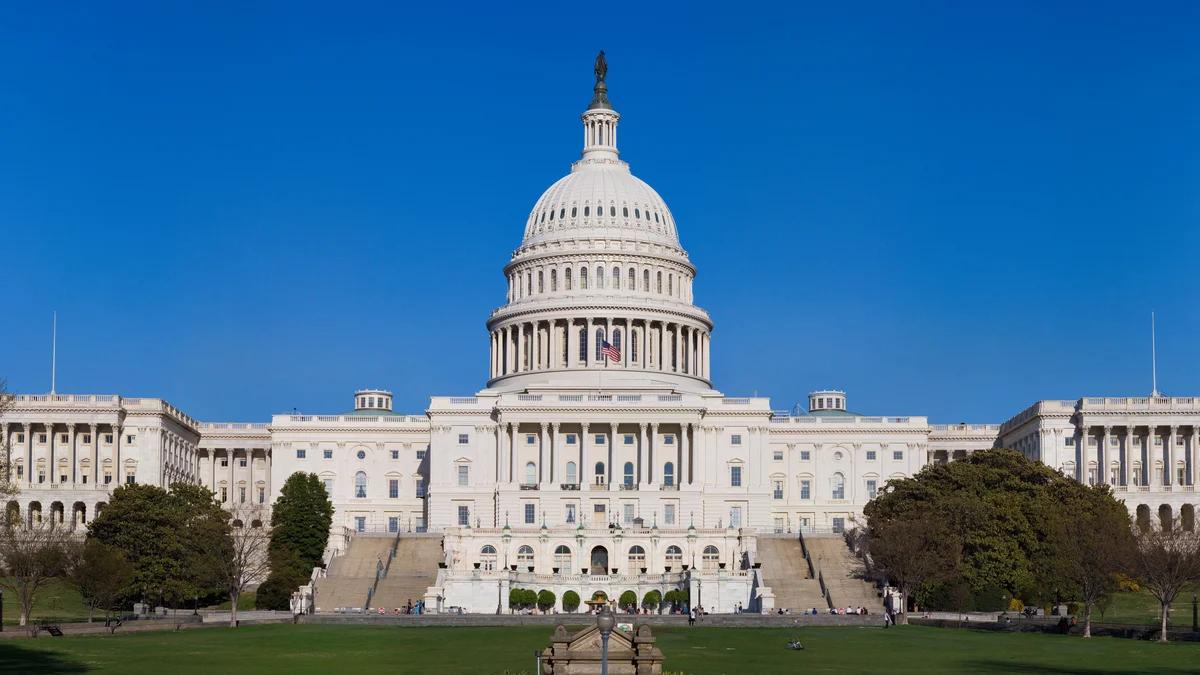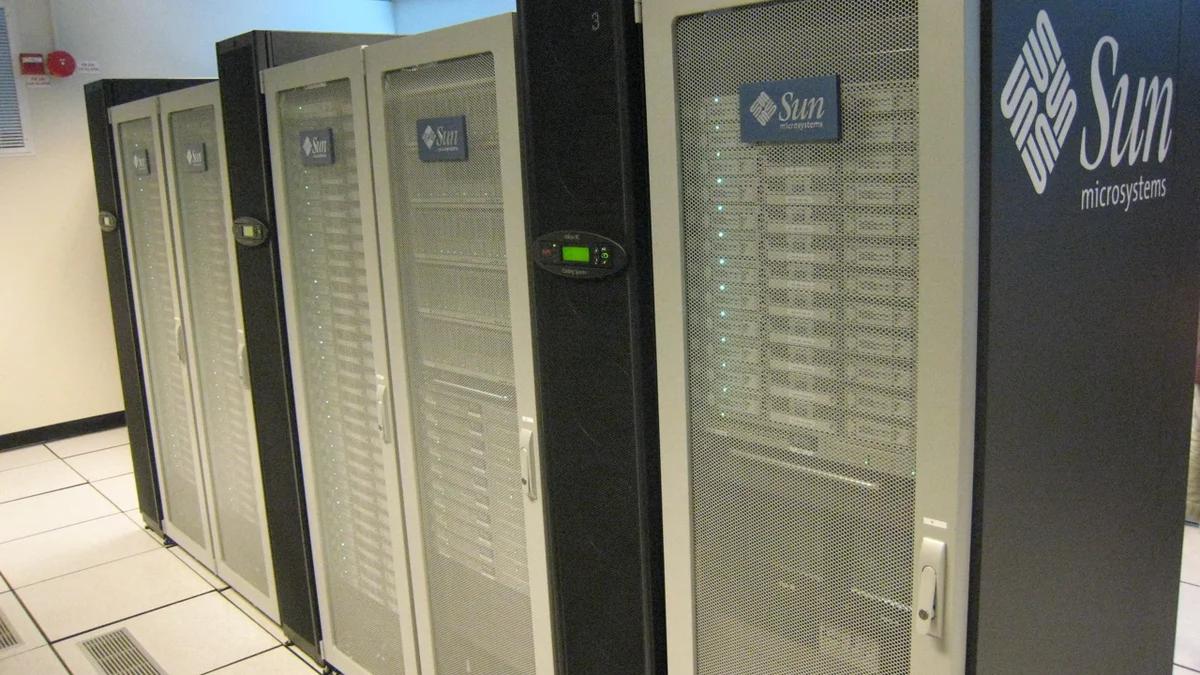
Across the capitals of the industrialized world, from Washington and London to Tokyo and Brussels, an intoxicating new geopolitical dogma has taken root: "compute sovereignty." Convinced that their national survival hinges on hoarding vast domestic clusters of high-bandwidth memory and artificial intelligence accelerators, sovereign states are showering a handful of multinational technology conglomerates with historic subsidies, sweetheart tax exemptions, and unchecked access to municipal electrical grids and municipal water aquifers.
The Illusion of Private Sovereign Enclaves
Yet in our headlong stampede to erect these cathedral-sized data processing fortresses, democratic societies are walking blindfolded into a profound structural trap. By subcontracting the foundational infrastructure of the cognitive era to three or four Silicon Valley platform monopolies, governments are not securing sovereign autonomy; they are constructing the most formidable private tollbooths in human economic history.
When an empire of the nineteenth century recognized that steam transport, transcontinental telegraph lines, and clean municipal water were existential prerequisites for civic life and commerce, it did not permit private robber barons to wield unregulated dominion over those arteries in perpetuity. Through rigorous legislative assertion, society established the concept of the "common carrier" and the regulated public utility. We recognized that when a technology becomes so ubiquitous that no citizen, business, or civil institution can function without accessing it, it ceases to be mere private property; it becomes an essential instrument of the commonwealth.
The Crushing Resource Extractive Reality
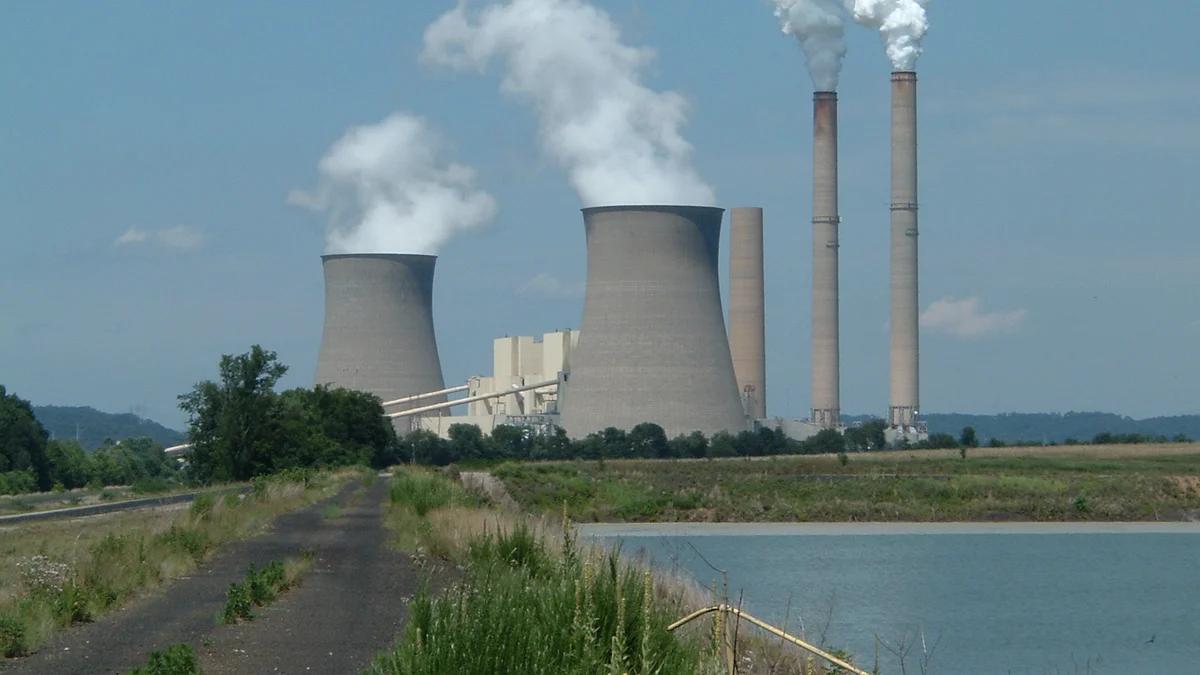
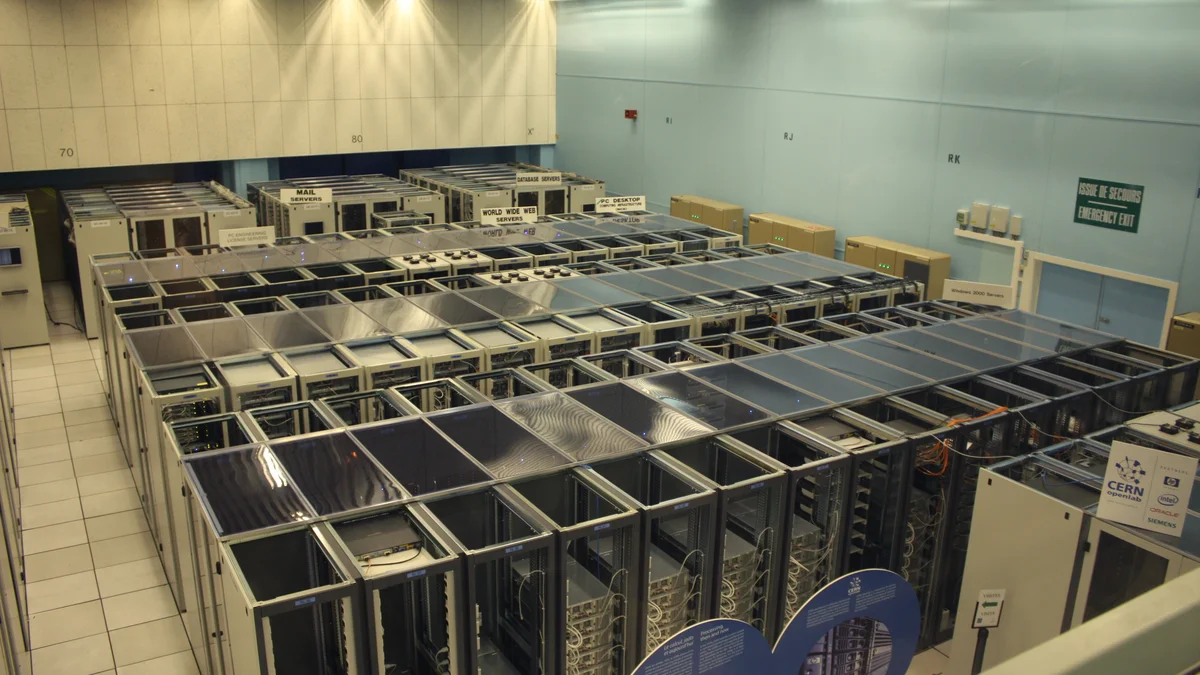
Consider the raw physical realities of modern hyperscale computing. Today's frontier artificial intelligence clusters do not float in some ethereal, weightless digital cloud. They are gargantuan industrial extractors anchored to terrestrial earth. A single gigawatt-scale data center complex consumes enough electrical power to illuminate a city of seven hundred thousand residents and evaporates millions of gallons of potable municipal water daily for cooling towers.
In Northern Virginia, Central Ohio, and the desert basins of Arizona, local municipal rate-payers are already watching their monthly electricity bills climb steadily to finance high-voltage transmission substation buildouts tailored almost exclusively for tech conglomerates. Meanwhile, school districts and small manufacturing enterprises find themselves outbid for clean energy allocations by corporate entities possessing balance sheets larger than the gross domestic products of mid-sized nations.
Restoring Democratic Primacy Over Cognitive Infrastructure
If we continue down the prevailing path of laissez-faire acquiescence, the consequences for democratic self-governance will be catastrophic. Already, access to frontier foundational models determines which scientific inquiries are funded, which pharmaceutical compounds are simulated, and which civic discourses are amplified or suppressed across public digital town squares. Permitting three corporate boardroom cabals to act as unilateral gatekeepers of this cognitive substrate reduces sovereign democratic parliaments to mere supplicants.
The remedy is neither neo-Luddite prohibition nor unbridled nationalization. It is the time-tested framework of robust public utility regulation:
Non-Discriminatory Common Carrier Access: Regulators must mandate that sovereign-subsidized compute capacity be provisioned under equitable, transparent tariffs to universities, civic researchers, and independent entrepreneurs, preventing monopolistic self-preferencing.
Mandatory Grid and Resource Reciprocity: Data center developers must be legally compelled to co-invest in new, dedicated clean power generation and closed-loop dry-cooling systems, ensuring zero cost-shifting onto residential taxpayers.
Public Algorithmic Transparency: Foundation architectures operating as national compute utilities must submit to independent academic auditing regarding algorithmic bias, copyright ingestion provenance, and security vulnerabilities.
The Moral Responsibility of the Democratic State
We stand at the precipice of a profound historical choice. We can allow the compute revolution to solidify into a neo-feudal digital oligopoly where citizens are reduced to digital serfs renting access to synthetic thought. Or we can muster the political courage of our forebears who tamed the railroad and electrical trusts, asserting that computing power—the lifeblood of modern human civilization—belongs under the democratic stewardship of the people it was built to serve.