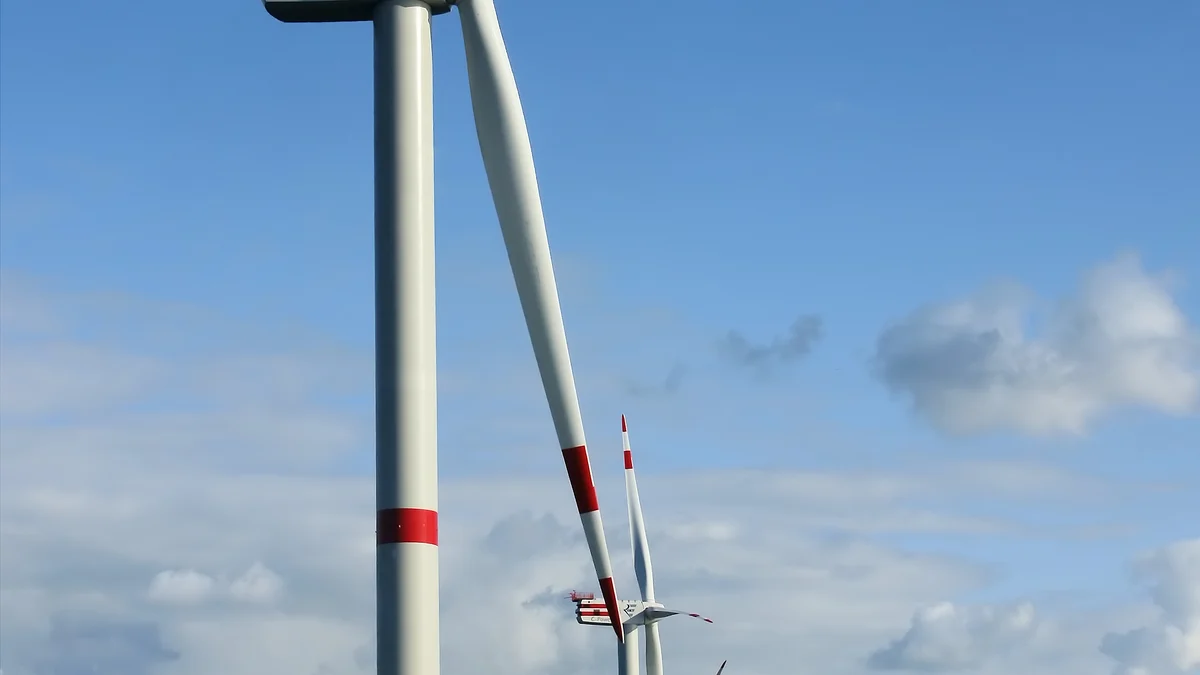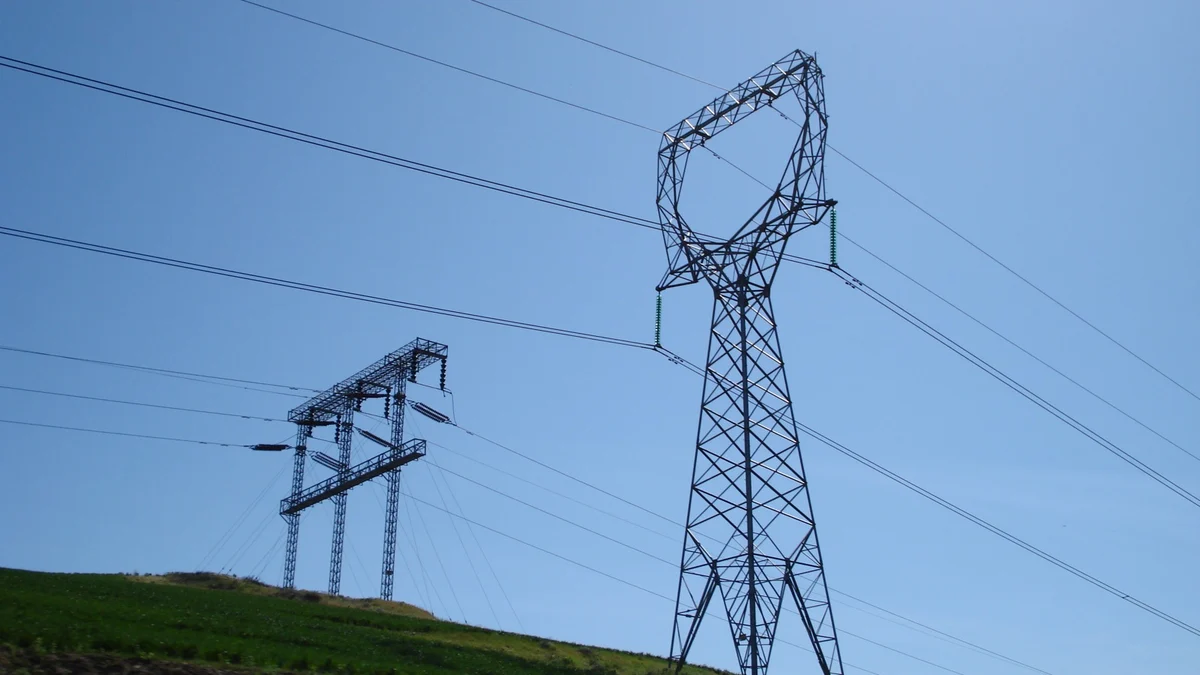
Intense disagreements erupted in ministerial working groups on Tuesday at the COP31 climate negotiations in Antalya, Turkey, as a prominent multilateral push to establish a landmark voluntary pledge—raising electricity's share of total global final energy consumption to 35 percent by 2035—hit fierce resistance from emerging economies and grid reliability regulators.
Currently, electricity accounts for approximately 20 percent of worldwide final energy use, with the remainder dominated by direct combustion of fossil fuels in transportation, industrial process heat, and domestic heating. While clean energy proponents champion the target as an indispensable pathway to decarbonizing global economies, developing nations caution that setting ambitious consumption goals without corresponding commitments for high-voltage transmission financing risks destabilizing fragile power grids.
The Financing Chasm: Generation vs. Transmission Infrastructure
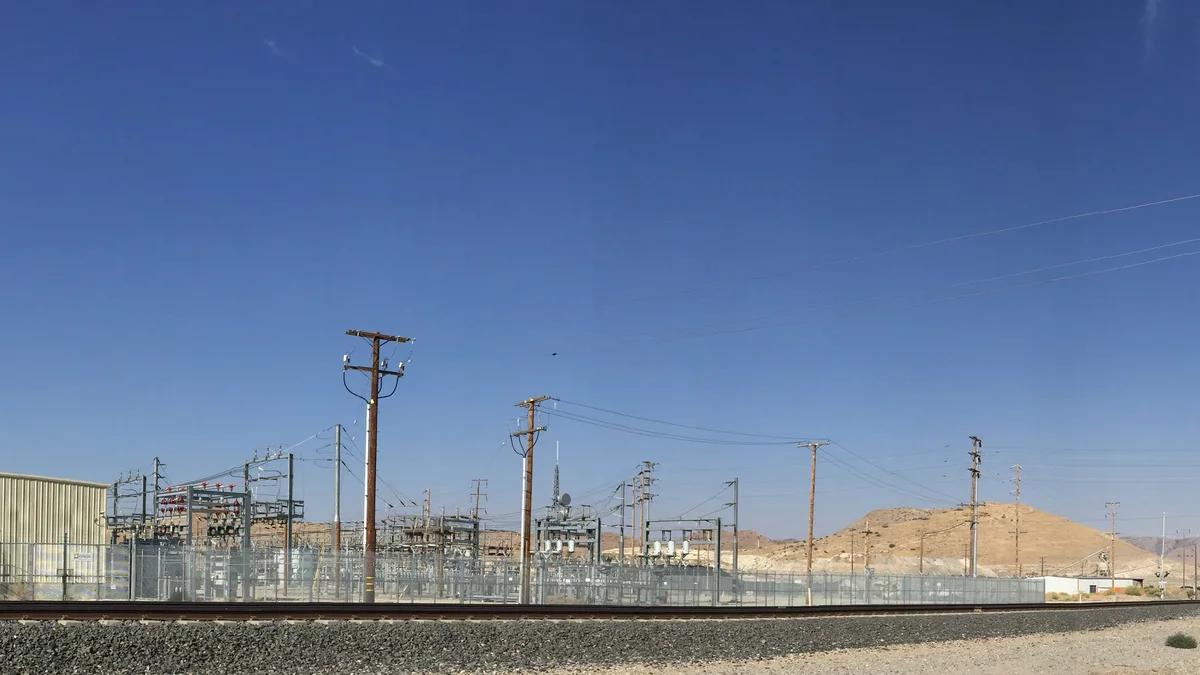
The International Solar Alliance (ISA) and the African Clean Energy Coalition released a pointed joint assessment during the ministerial session, emphasizing that global climate capital has overwhelmingly favored solar and wind generation assets while severely underfunding high-voltage direct current (HVDC) transmission corridors, regional interconnection links, and grid-scale battery storage facilities.
"Pledging that 35 percent of our total energy mix must be electrified by 2035 is meaningless if developing nations cannot obtain concessional sovereign loans to modernize substations, balance intermittent renewables, and extend wires to rural populations," declared representatives from the Global South negotiating bloc. "Without binding capital delivery mechanisms from multilateral development banks, an unfinanced target merely penalizes nations striving for basic industrial electrification."
Industrial Electrification and Advanced Nuclear Baselines
The debate has also exposed philosophical rifts among developed economies regarding the technological composition of future electrical grids. Representatives from the United States, France, and Japan argued that achieving massive electrification requires substantial baseload expansion through next-generation small modular nuclear reactors (SMRs) and advanced geothermal energy, alongside solar and wind capacity.
Conversely, several European environmental delegates advocated for strict exclusion of nuclear baseload from fast-track green financing mechanisms, a stance that drew sharp pushback from energy-intensive manufacturing associations in North America and Asia who warn that volatile renewable intermittency threatens heavy steel, chemical, and silicon manufacturing plants.
As the COP31 energy track enters final plenary negotiations, compromise text being circulated by the conference presidency proposes creating a dedicated Global Grid Interconnection Fund capitalized at $150 billion annually by 2028. Energy ministers acknowledged that whether the final communiqué adopts binding language or a non-binding aspirational roadmap, the physical reality remains immutable: modernizing the electrical grid is the foundational prerequisite of the 21st-century energy transition.