As healthcare facilities across the United States brace for rising seasonal respiratory admissions, major hospital conglomerates and academic medical centers announced on Tuesday the widespread clinical deployment of next-generation multimodal artificial intelligence routing engines. Designed to synthesize patient electronic health records, continuous vital telemetry, and bedside chest radiography in real time, the algorithmic triage platforms aim to alleviate severe emergency department bottlenecks and prevent clinician burnout during peak winter flu and RSV spikes.
The technological rollout, coordinated across more than four hundred acute-care hospitals affiliated with health systems like Kaiser Permanente, Providence, and Mayo Clinic, represents the most comprehensive operational adoption of generative and agentic AI in modern hospital medicine. Powered by enterprise healthcare models developed through Google Cloud and specialized digital health consortiums, the software analyzes multi-parameter clinical data upon patient arrival, instantly flagging early physiological indicators of pediatric sepsis, severe hypoxemia, or respiratory failure hours before overt clinical deterioration.
"Emergency departments are the frontlines of community health, but during winter viral surges, triage delays can have devastating consequences," explained Dr. Jonathan Chen, chief medical officer at the Center for Clinical Informatics in Chicago. "By giving triage nurses and attending physicians an intelligent clinical assistant that cross-references complex radiological scans and lab trajectories in seconds, we can prioritize high-acuity patients and initiate life-saving interventions substantially faster."
Streamlining Pediatric and Geriatric Respiratory Care
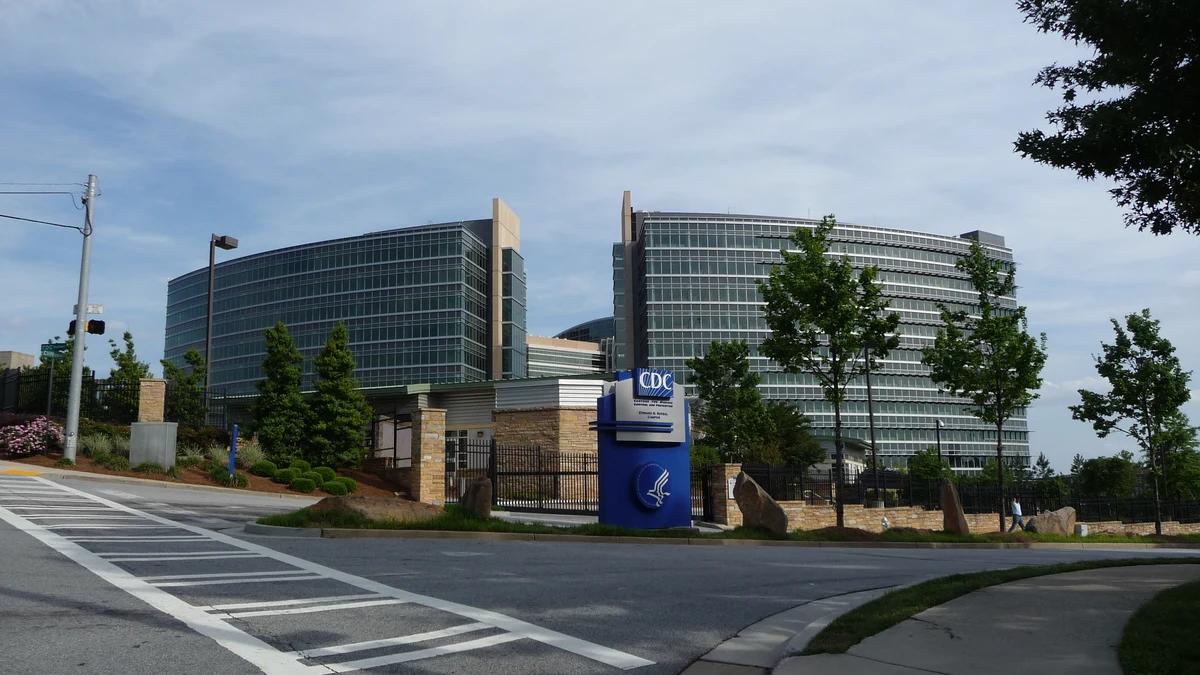
The deployment arrives at a critical operational juncture. Weekly surveillance metrics from the Centers for Disease Control and Prevention (CDC) indicate that pediatric emergency visits for respiratory syncytial virus (RSV) have climbed sharply across the Southeast and Midwest, while elderly admissions for seasonal influenza A are outpacing early projections. In urban medical centers, emergency department waiting times had begun creeping upward, threatening to replicate the bed-shortage crises experienced in previous winter cycles.
The multimodal AI platform addresses this friction by automating routine documentation and clinical routing. When a patient presents with respiratory distress, the software securely transcribes natural patient-physician dialogue, generates standardized clinical notes directly into the electronic medical record, and automatically orders pre-approved diagnostic imaging and viral PCR panels based on established hospital guidelines.
Crucially, the system utilizes an "open-model architecture" that dynamically routes computational tasks depending on clinical urgency. Routine administrative coding and prescription reconciliation are executed by lightweight, low-latency models, while complex differential diagnoses and rare radiographical anomaly detections are dispatched to high-reasoning frontier models for specialist review.
Safeguarding Patient Privacy and Preserving Physician Autonomy
Addressing privacy concerns and algorithmic bias, healthcare administrators emphasized that the systems operate entirely within secure, HIPAA-compliant private cloud enclosures that do not utilize patient health data to train external public models. Furthermore, every algorithmic recommendation requires explicit human confirmation from an attending clinician before treatment plans are enacted.
Nursing unions and physician organizations, which had previously expressed skepticism regarding automated hospital management tools, have cautiously praised the newest systems for reducing tedious electronic administrative burdens. Internal hospital pilot data revealed that automated clinical documentation reduced after-hours clerical work by nearly forty percent, allowing physicians to spend an average of fifteen additional minutes at the bedside with each admitted patient.
As winter weather accelerates viral transmission across the country, federal health officials are monitoring clinical outcomes from the AI rollout. Early indicators suggest that multimodal diagnostic assistance represents a vital breakthrough in modern medical infrastructure, equipping hospital systems to deliver compassionate, high-precision care even in the face of intense seasonal surges.