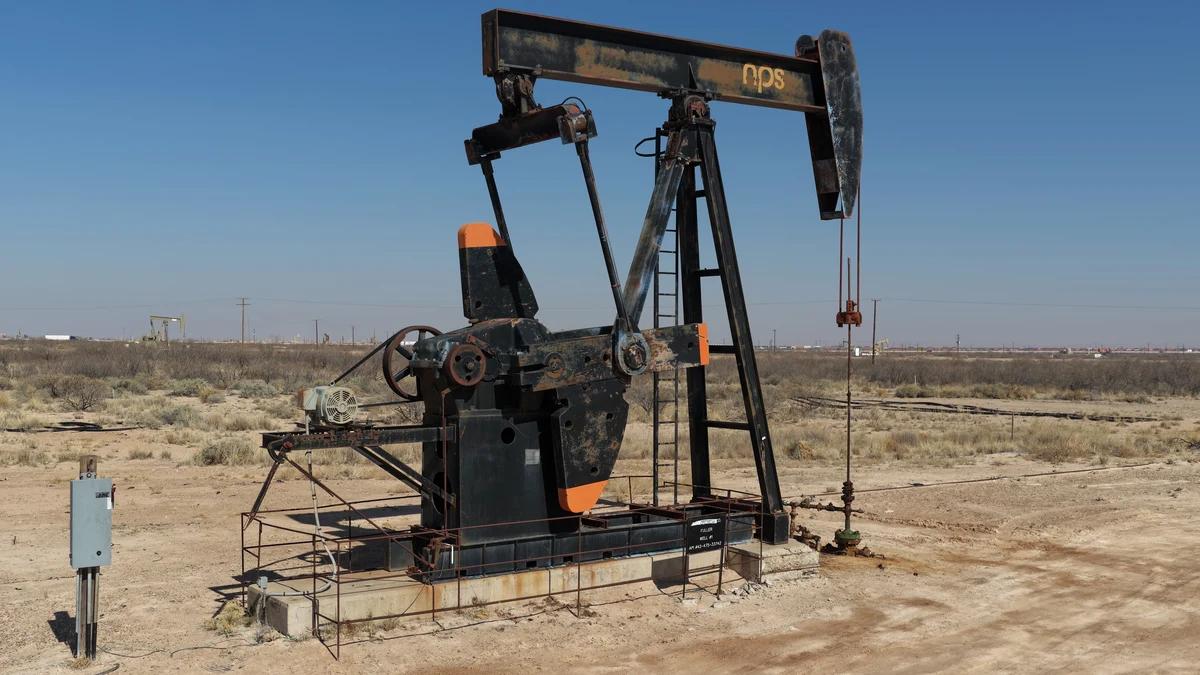
The United States is on track to smash all-time domestic energy production records for a fourth consecutive year, according to the benchmark Short-Term Energy Outlook (STEO) published Tuesday by the U.S. Energy Information Administration (EIA). The federal statistical agency projected that domestic crude oil extraction will average an unprecedented 13.9 million barrels per day (bpd) throughout 2026, up from 13.7 million bpd in 2025, before expanding further to 14.3 million bpd in 2027.
The remarkable surge in output cements the United States’ position as the undisputed heavyweight of global petroleum production, extracting more crude than Saudi Arabia and Russia combined. Federal analysts attributed the growth to sustained drilling efficiency breakthroughs in the Permian Basin of Texas and New Mexico, where producers have deployed extended three-mile lateral wells, automated electrical drilling rigs, and advanced reservoir diagnostics that extract significantly more oil per foot of borehole than legacy techniques.
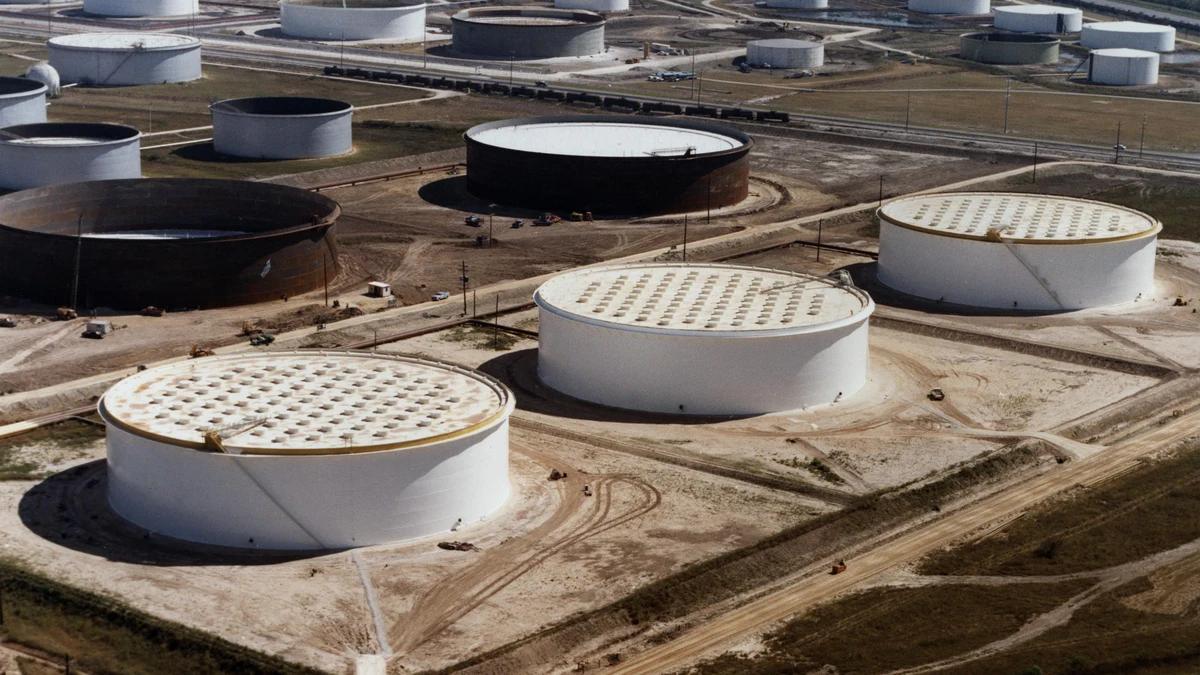
Despite steady domestic production gains, the EIA revised its full-year 2026 average price forecast for global benchmark Brent crude upward to $97.44 per barrel, reflecting persistent geopolitical risk premiums associated with military skirmishes near the Persian Gulf, maritime transit disruptions in the Red Sea, and diminished operational buffers within the Strategic Petroleum Reserve (SPR).
Venture Global Accelerates Multi-Billion-Dollar CP2 LNG Export Complex
Simultaneously, the American liquefied natural gas (LNG) export sector announced substantial acceleration in project construction timelines. Major export developer Venture Global LNG confirmed Tuesday that construction progress at its massive CP2 LNG terminal in Cameron Parish, Louisiana, has advanced ahead of schedule, with initial commercial liquefaction and export operations now targeted for July 2027.
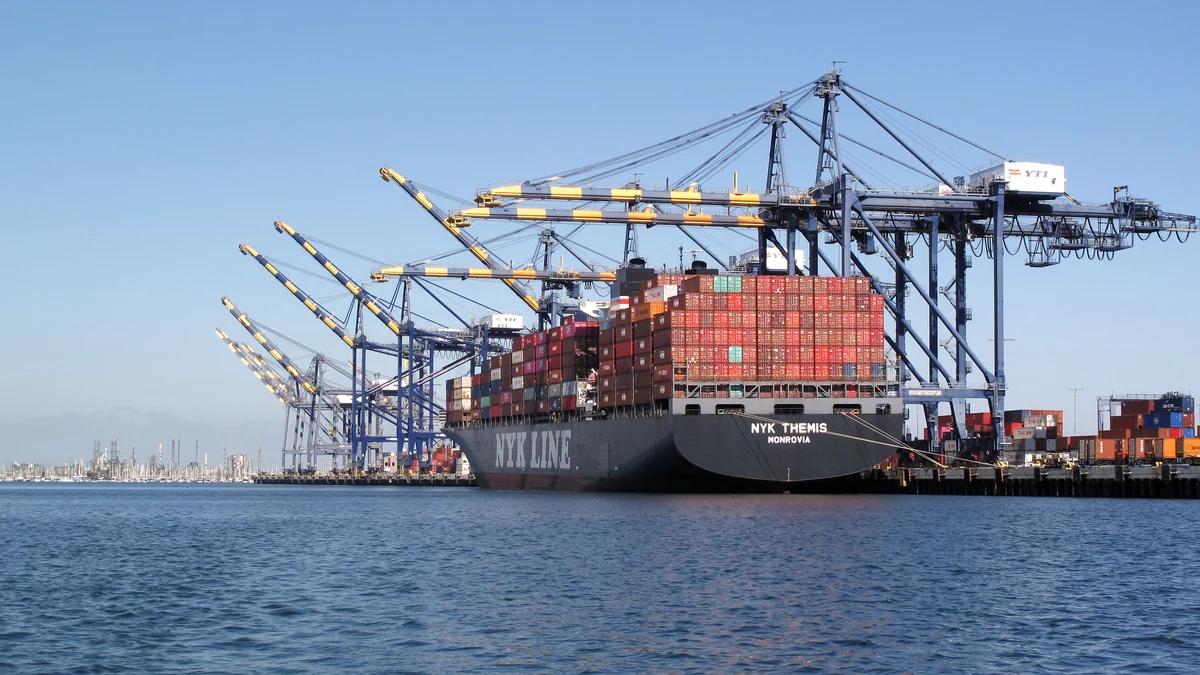
Company executives told energy analysts during an investor conference that the facility expects to load and ship up to twenty full commercial LNG cargoes during the third quarter of 2027 alone, providing vital energy security lifelines to European and Asian utilities seeking long-term alternatives to Russian piped fuel. American LNG export capacity is projected to surge by more than forty percent over the next thirty-six months as three major Gulf Coast terminals complete commissioning phases.
"The United States has fundamentally transformed the geopolitical balance of global energy," said Michael O'Rourke, managing director of energy analysis at Houston Capital Partners. "Our export infrastructure allows American natural gas and crude to act as a stabilizing anchor for democratic allies, preventing hostile energy cartels from weaponizing supply bottlenecks against consumer economies."
Powering the Artificial Intelligence Grid Revolution
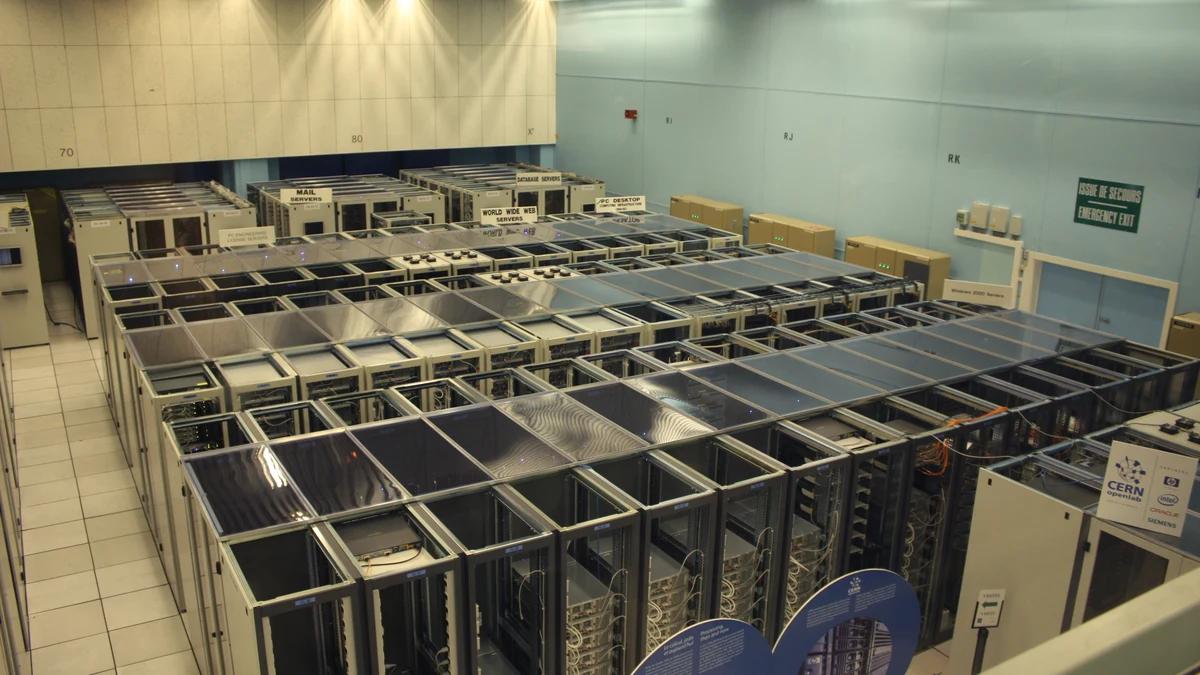
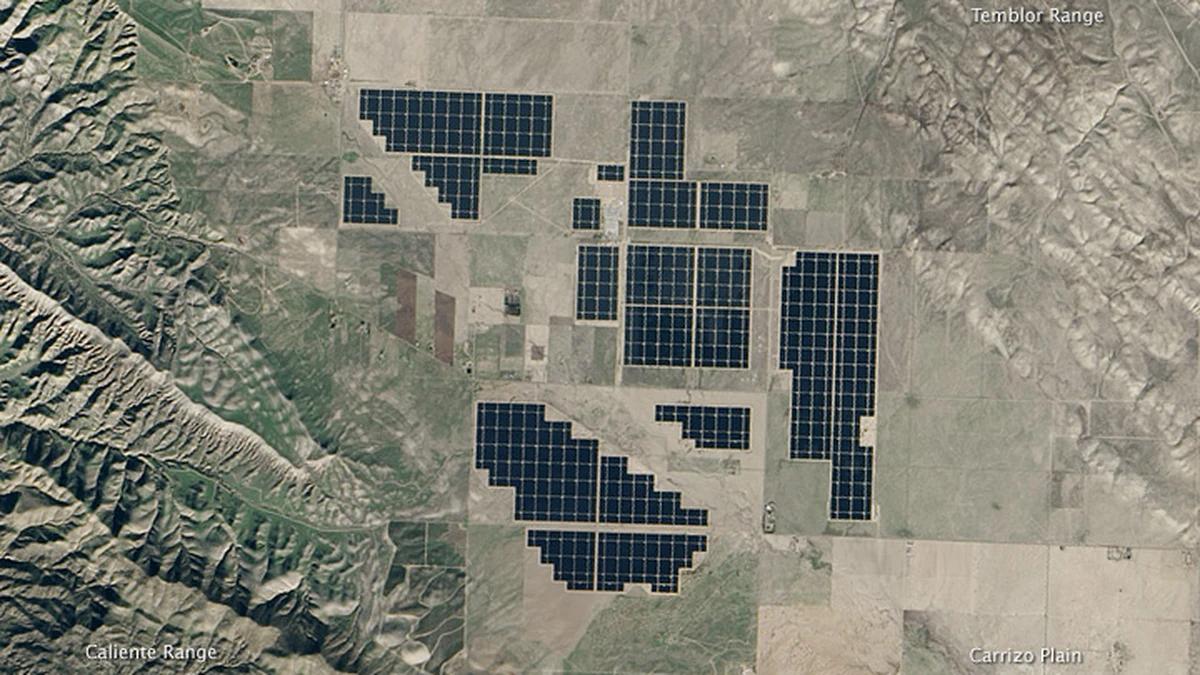
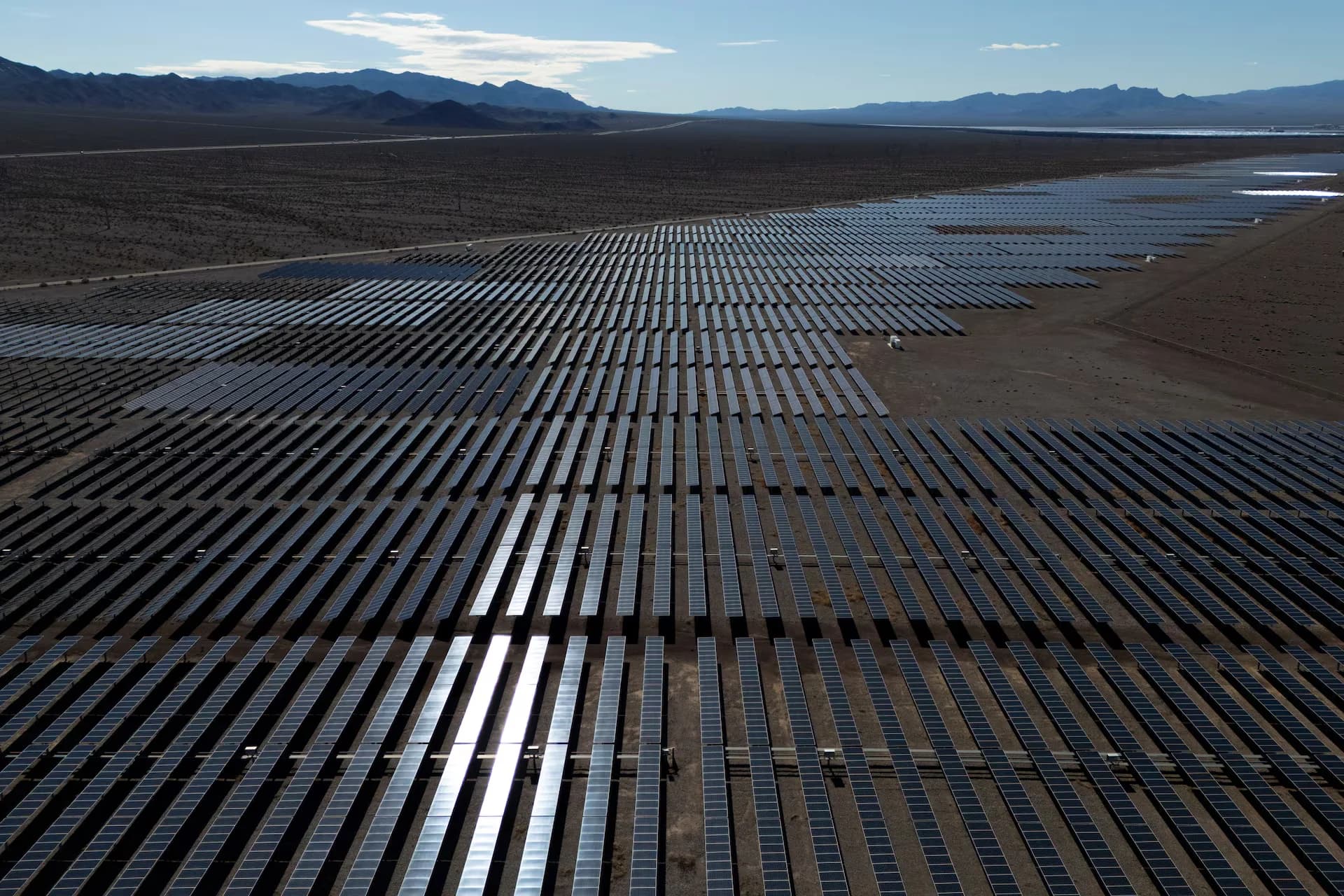
The EIA’s November report also dedicated substantial analysis to the explosive power demand generated by domestic artificial intelligence data center construction. Total domestic electricity generation is forecast to reach record highs of 4,306 billion kilowatt-hours (kWh) in 2026, climbing an additional 1.5 percent in 2027. Natural gas-fired power generation and utility-scale solar installations are absorbing the vast majority of this newly created load.
At the *New Nuclear Capital 2026* investment summit held Tuesday in New York, major financial lenders and technology operators met with advanced reactor developers to structure multi-billion-dollar private capital partnerships. Technology hyperscalers are actively pursuing long-term power purchase agreements with nuclear operators and natural gas turbine manufacturers to guarantee uninterruptible 24/7 electrical baseload capacity for AI compute clusters.
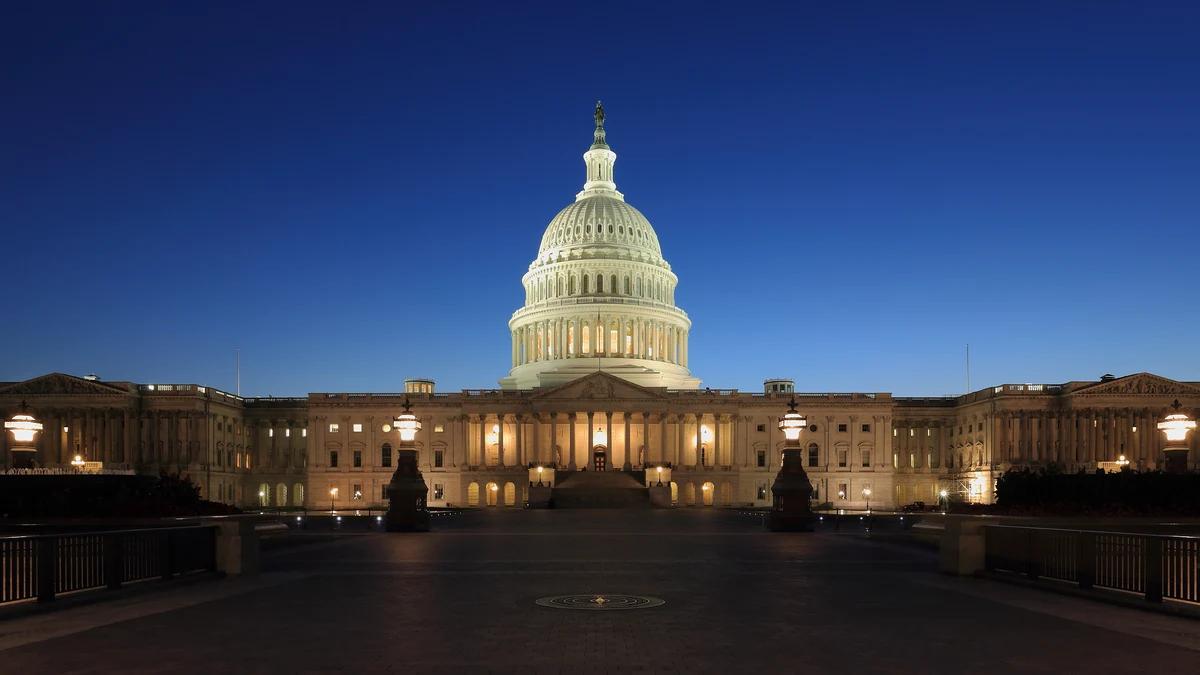
As the United States balances soaring domestic electricity consumption with international export commitments, energy executives emphasized that regulatory permitting clarity remains the decisive variable. Industry associations urged Congress to advance comprehensive energy permitting reform during the upcoming legislative session to ensure pipeline and transmission infrastructure can keep pace with record-setting extraction numbers.