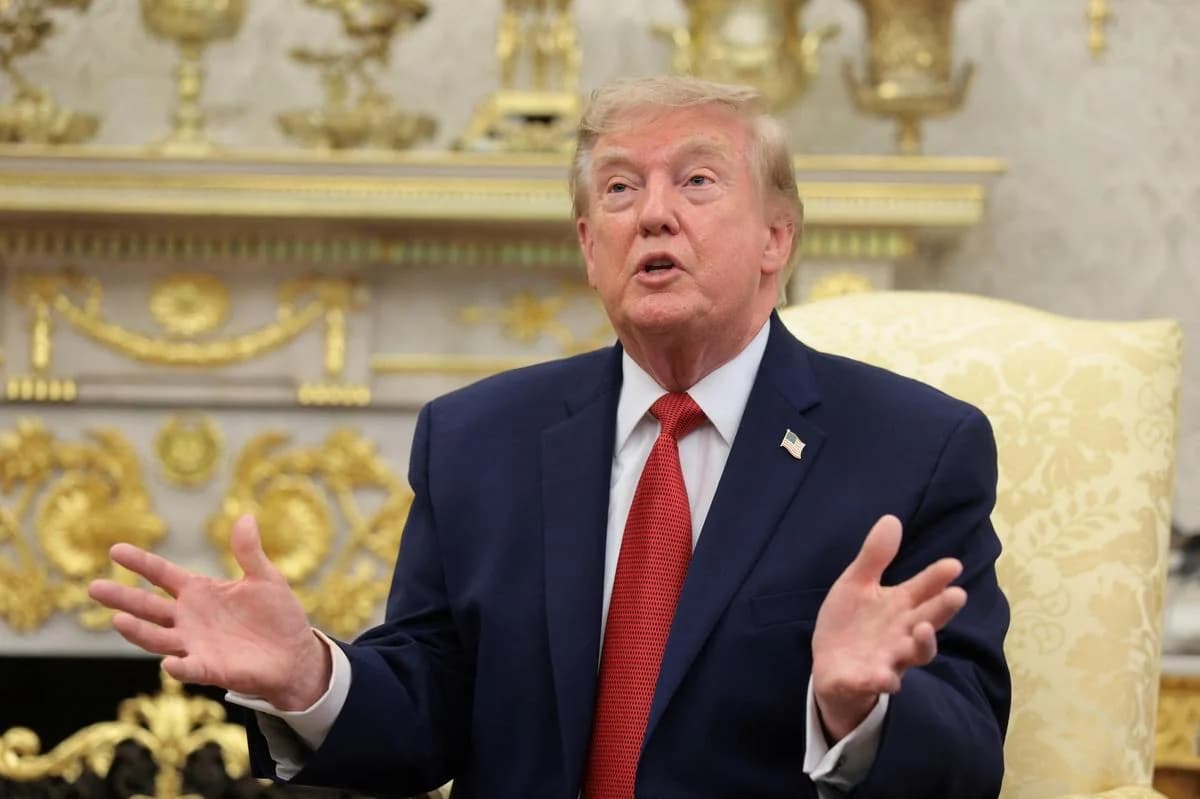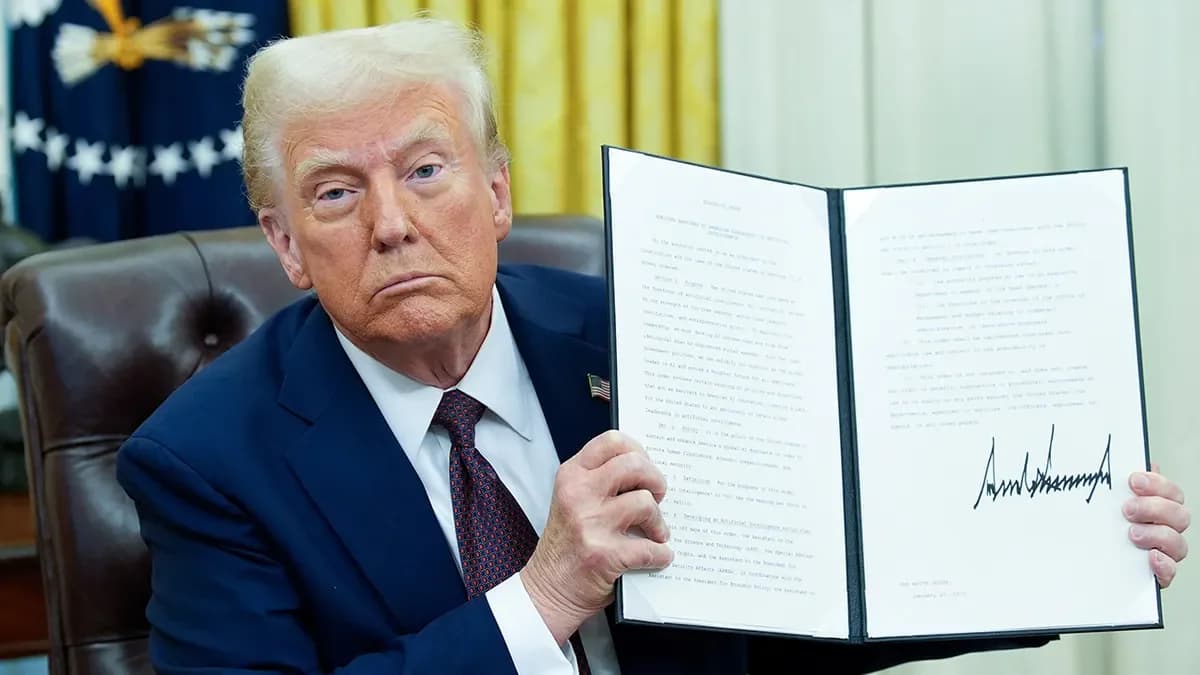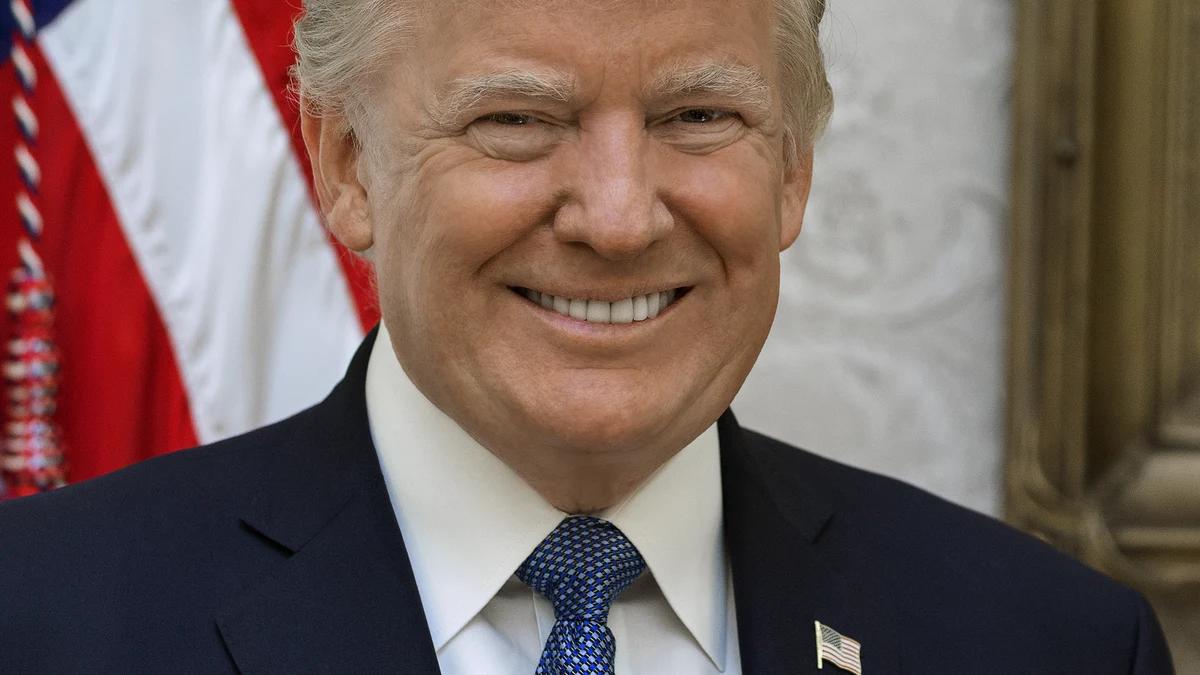
President Donald Trump unequivocally reiterated his administration's determination to execute large-scale deportation operations on Tuesday, delivering an unyielding public defense of federal immigration enforcement while rejecting any legislative compromise that includes legal status or amnesty for undocumented individuals. Speaking to reporters from the South Lawn of the White House before traveling to a regional industrial summit, the president rebuffed suggestions that shifting majorities in the 2026 midterm elections would pressure the executive branch into moderating its border mandate.
"The American people delivered a mandate for sovereign national borders, the rule of law, and the safety of our communities," President Trump declared during an extended briefing. "We will not water down our enforcement strategy. There will be no amnesty, no backdoor legalizations, and no retreat from the sacred constitutional obligation to secure the United States against unlawful entry."
The president's remarks arrive as moderate lawmakers from both political parties have floated initial trial balloons regarding potential bipartisan immigration compromises ahead of the January congressional transition. Some business groups and agricultural associations have actively petitioned Washington for expanded temporary guest-worker visas to alleviate labor crunches in food processing, commercial construction, and hospitality. Trump dismissed those corporate appeals, insisting that domestic employers must prioritize hiring American workers at competitive wages.
Intensified Federal Enforcement and State-Level Coordination
Under the administration's expanded enforcement framework, Immigration and Customs Enforcement (ICE) and Customs and Border Protection (CBP) have mobilized thousands of additional field personnel, bolstered by federalized National Guard contingents operating across border sectors in Texas, Arizona, and New Mexico. The Department of Homeland Security has streamlined expedited removal procedures for individuals apprehended within hundred-mile interior corridors and expanded chartered repatriation flight networks to Central and South America.
Homeland Security Secretary Kristi Noem echoed the president's resolve during a departmental briefing in El Paso, emphasizing that federal agencies are operating with unprecedented inter-agency coordination. Department officials reported that daily unauthorized migrant encounters along the southern international boundary have dropped to multi-year lows, attributing the decline to aggressive physical deterrents and expanded bilateral agreements with neighboring transit nations.
However, civil liberties organizations, municipal leaders in major sanctuary jurisdictions, and immigration advocacy groups have filed multiple federal lawsuits challenging the legality of expanded workplace inspections and jurisdictional overrides. Legal scholars anticipate that key constitutional questions concerning local law enforcement compliance mandates will ultimately reach the United States Supreme Court during its upcoming spring term.
Divided Government Sets Up Explosive Budgetary Clash
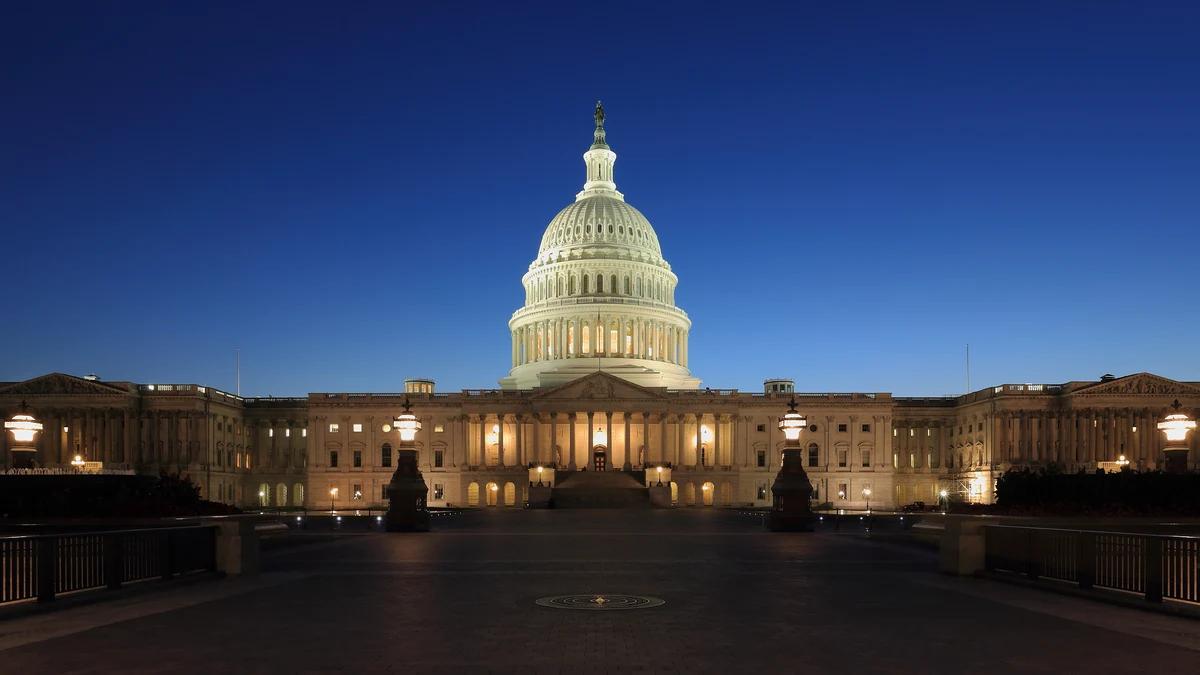
The collision between executive immigration actions and congressional oversight is poised to define the upcoming legislative calendar. Democratic congressional leadership, preparing to assume control of the House of Representatives following last week’s election gains, has signaled an intention to exercise rigorous budgetary oversight over detention facility contracts and deportation logistics.
Incoming committee leaders have pledged to condition mandatory federal appropriations on strict compliance with international asylum protocols and due process guarantees. Republican congressional leaders, conversely, have pledged to defend homeland security funding lines, arguing that defunding deportation infrastructure would undermine national security and disrespect voters who demanded order along the border.
With temporary government funding expirations looming on the December calendar, the president's refusal to consider legislative compromises guarantees that immigration policy will serve as the chief battleground for divided government in Washington. White House officials maintained that even in the face of contentious legislative gridlock, the president possesses comprehensive statutory authority under Title 8 of the United States Code to direct deportation operations without supplemental legislative approval.