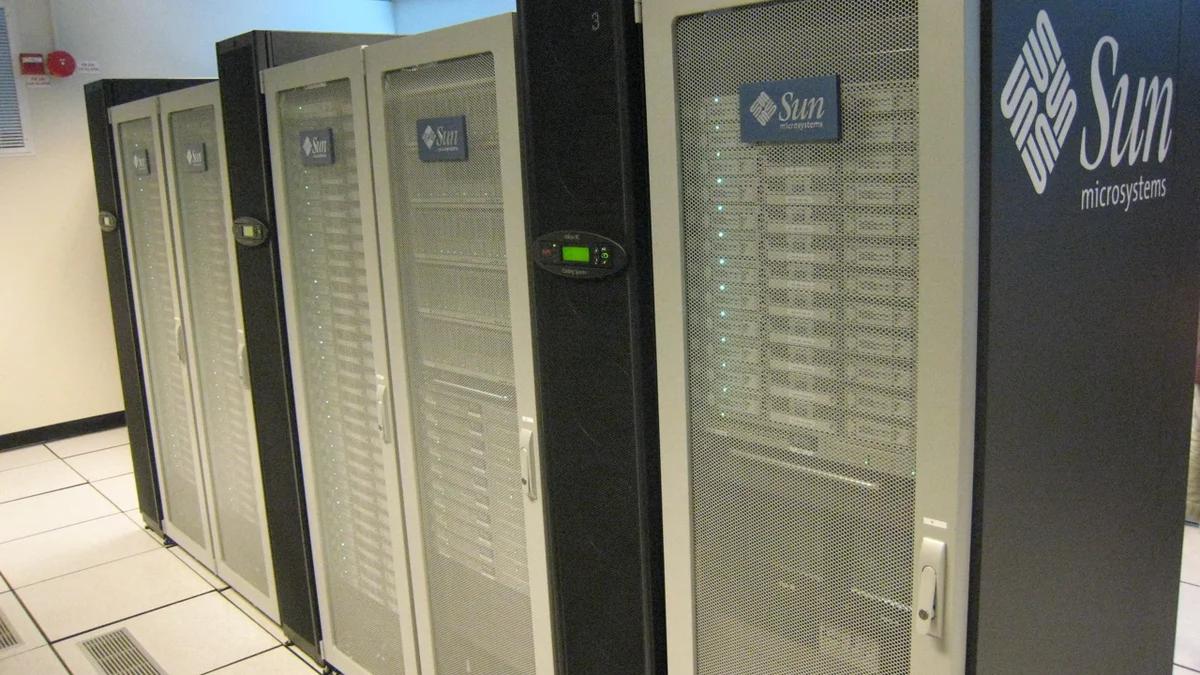
In a milestone achievement for computational environmental science, research engineers at the Massachusetts Institute of Technology (MIT) have unveiled a breakthrough machine-learning architecture capable of simulating complex, multi-decade atmospheric and oceanic climate scenarios in seconds—a task that previously required weeks of intensive processing on national laboratory supercomputing clusters.
Published in premier peer-reviewed computational journals, the MIT research introduces a novel class of "physics-informed climate emulators." By combining fundamental fluid thermodynamic equations with advanced neural operator networks, the system can project high-resolution regional precipitation shifts, hurricane intensification patterns, and localized sea-level rise without sacrificing physical conservation laws or introducing algorithmic hallucinations.
Democratizing Climate Scenario Modeling for Municipal Planners
Traditionally, running Comprehensive Earth System Models (ESMs) has been restricted to elite scientific institutions with access to multi-million-dollar supercomputing facilities like the Department of Energy's Summit or Frontier systems. The extreme computational expense made it nearly impossible for local city engineers, coastal zoning boards, and agricultural cooperatives to test hundreds of localized policy scenarios.
The MIT emulator fundamentally disrupts that bottleneck. By slashing the data and compute requirements needed to generate reliable climate projections by over 90 percent, urban planners can now simulate thousands of micro-climate variables on standard commercial workstations. Coastal cities like Miami, Charleston, and Norfolk can evaluate the protective efficacy of seawalls, wetland restoration, and elevated drainage systems against various greenhouse gas trajectory scenarios in real time.
"Our goal was to bridge the gap between frontier climate physics and actionable civic planning," explained lead computational investigator Dr. Arash Mostafavi. "Instead of waiting six months for a single high-resolution global simulation run, a municipal civil engineering team can explore hundreds of policy iterations in an afternoon, identifying optimal resilience strategies tailored to their specific geography."
Global Implications at COP31 and International Adoption
The innovation arrived as international delegates convened at the COP31 climate conference in Antalya, Turkey, where developing nations emphasized the urgent need for accessible climate adaptation analytics. The MIT research team announced that the core code libraries and pre-trained emulator weights will be released as open-source public software, ensuring scientists in low-income and climate-vulnerable countries can leverage the technology without proprietary licensing barriers.
Independent atmospheric scientists hailed the breakthrough as a transformative turning point for global climate readiness, noting that integrating artificial intelligence into physical climate modeling will dramatically enhance lead times for regional drought forecasts, agricultural yield planning, and disaster preparedness across the globe.