As climate negotiators, scientists, and energy ministers convened in Antalya, Turkey, for the COP31 United Nations Climate Change Conference, the Global Carbon Project released its closely watched annual assessment projecting a landmark 0.4 percent decline in global carbon dioxide emissions from fossil fuels in 2026. If realized by year-end tallies, the contraction would represent the first annual drop in fossil-derived emissions since the pandemic-era economic slowdown of 2020.
Lead atmospheric researchers contributing to the report attributed the projected downturn to a convergence of structural clean-technology acceleration and acute geopolitical energy disruptions. Elevated oil and liquefied natural gas prices triggered by maritime instability in the Middle East accelerated industrial fuel switching across Asia and Europe, while record utility-scale solar, wind, and grid-battery deployments displaced coal-fired generation across major power markets.
UN Secretary-General Urges Urgent Methane Action
Despite the symbolic milestone, climate scientists and United Nations officials cautioned delegates at COP31 against interpreting a fractional single-year dip as proof that global temperatures have stabilized. Atmospheric CO2 concentrations continue to climb toward record thresholds, and extreme weather losses across North America, Southern Europe, and coastal Asia remain severe.
Addressing plenary sessions in Antalya, UN Secretary-General António Guterres called on major economies to treat methane abatement as the world's most immediate "climate emergency brake." Guterres urged oil- and gas-producing nations to adopt binding international leak-detection standards and integrate automated satellite tracking networks to eliminate super-emitting flare stacks and pipeline ruptures before 2030.
US Clean Grid Investment Amid Shifting Political Priorities
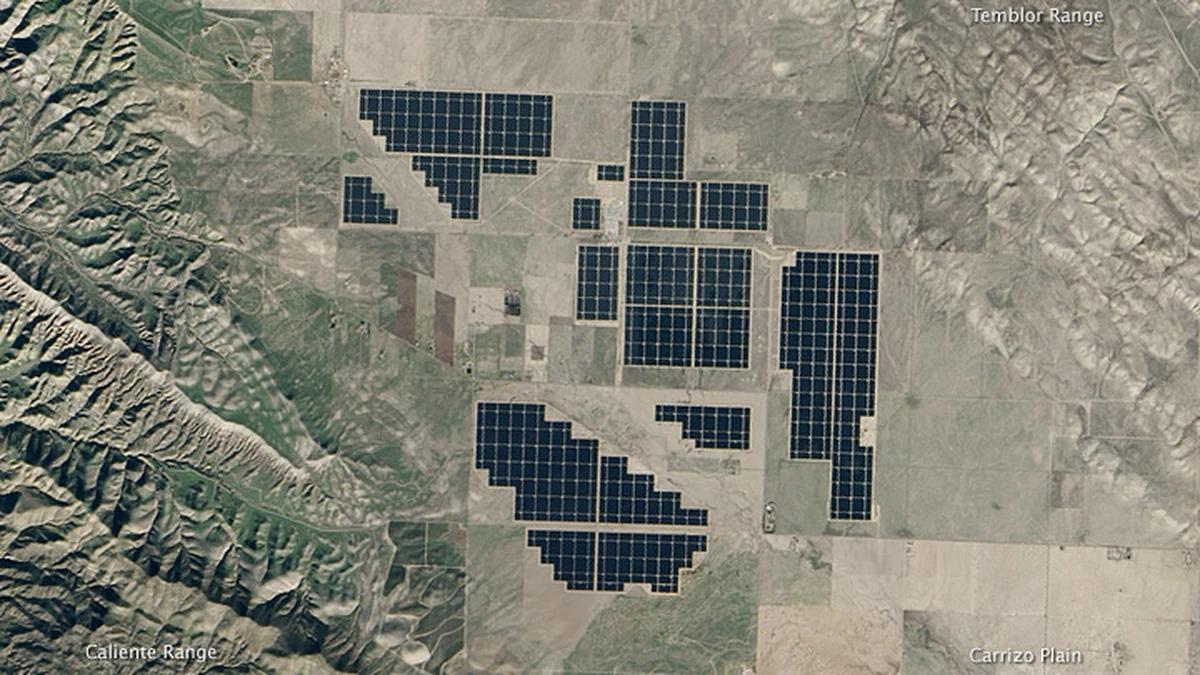
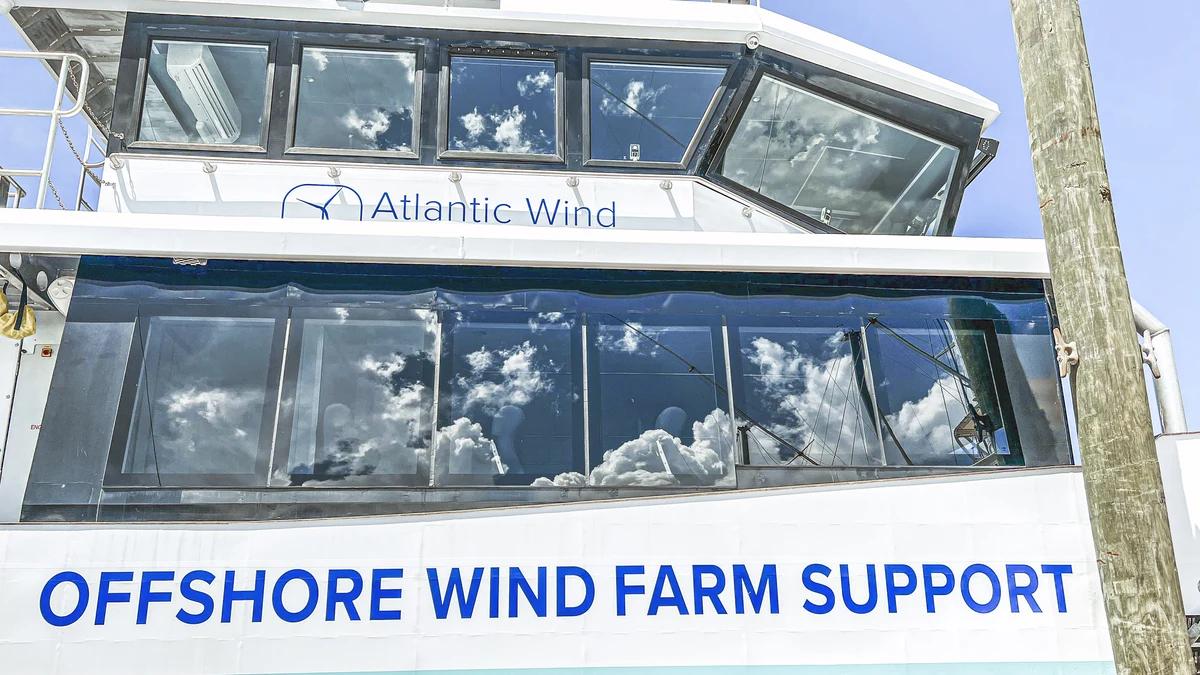
For the United States delegation and sub-national American climate coalitions attending COP31, domestic clean energy momentum increasingly hinges on state-level mandates and private-sector grid economics rather than federal diplomacy alone. Rapidly expanding offshore wind installations along the Atlantic seaboard and utility-scale solar-plus-storage projects in Texas and California continue to win market share purely on levelized cost competitiveness.
At the same time, NOAA and NASA atmospheric scientists separately reported this week that Antarctica's seasonal ozone hole expanded to its seventh-largest extent on record during 2026 due to an unusually persistent polar vortex—a reminder that upper-atmospheric dynamics remain sensitive even as long-term Montreal Protocol healing trends stay intact. With divided congressional control arriving in Washington in January, U.S. climate policy observers anticipate heightened focus on preserving existing clean manufacturing tax incentives while defending federal environmental monitoring budgets.