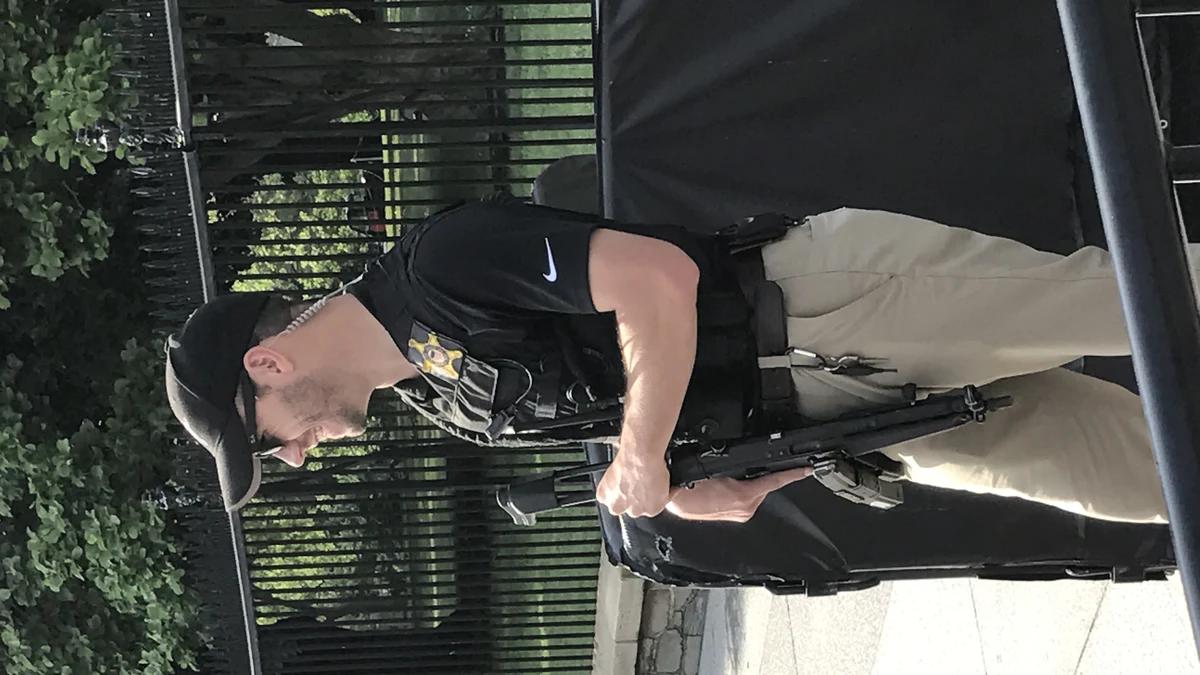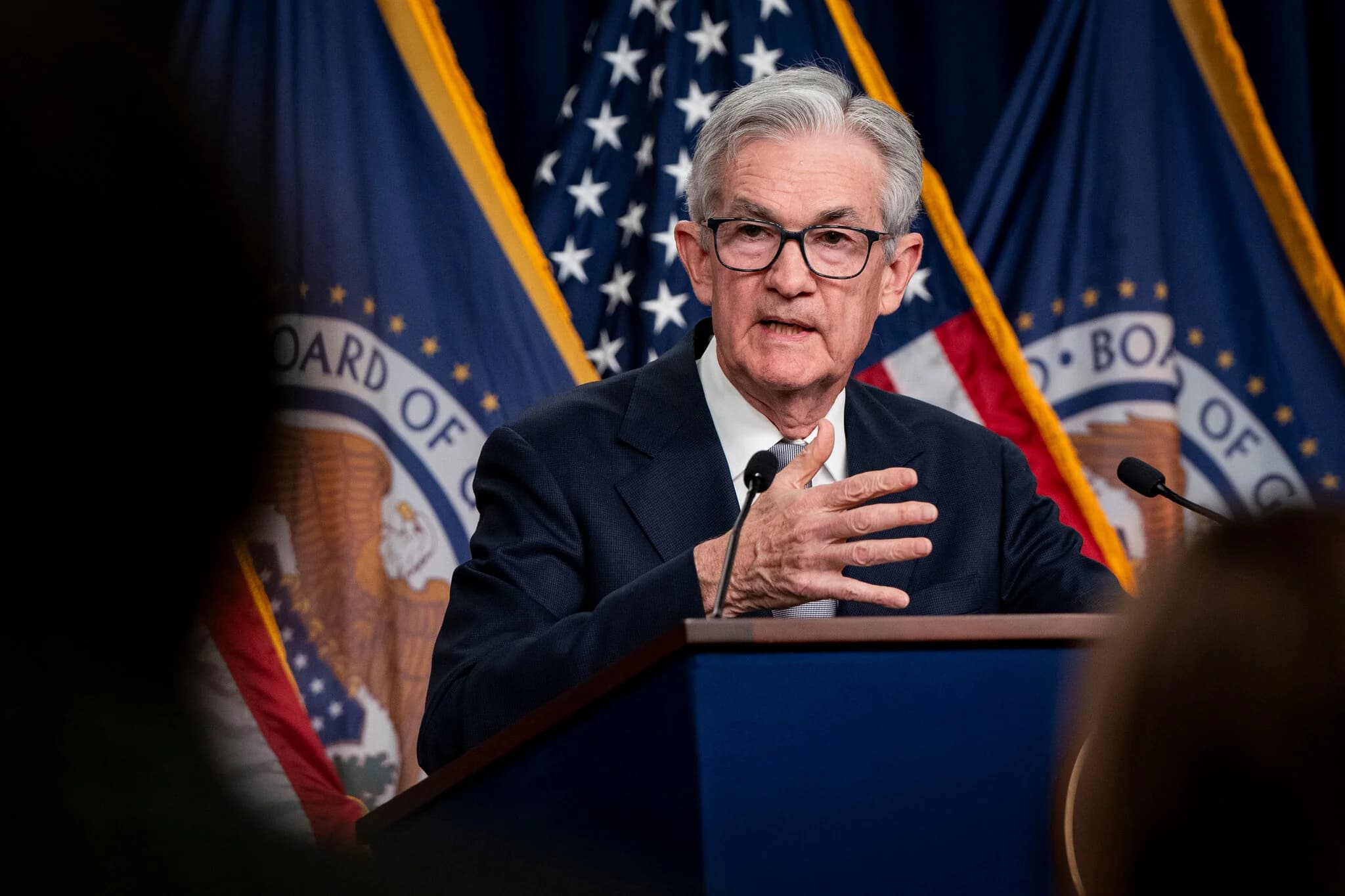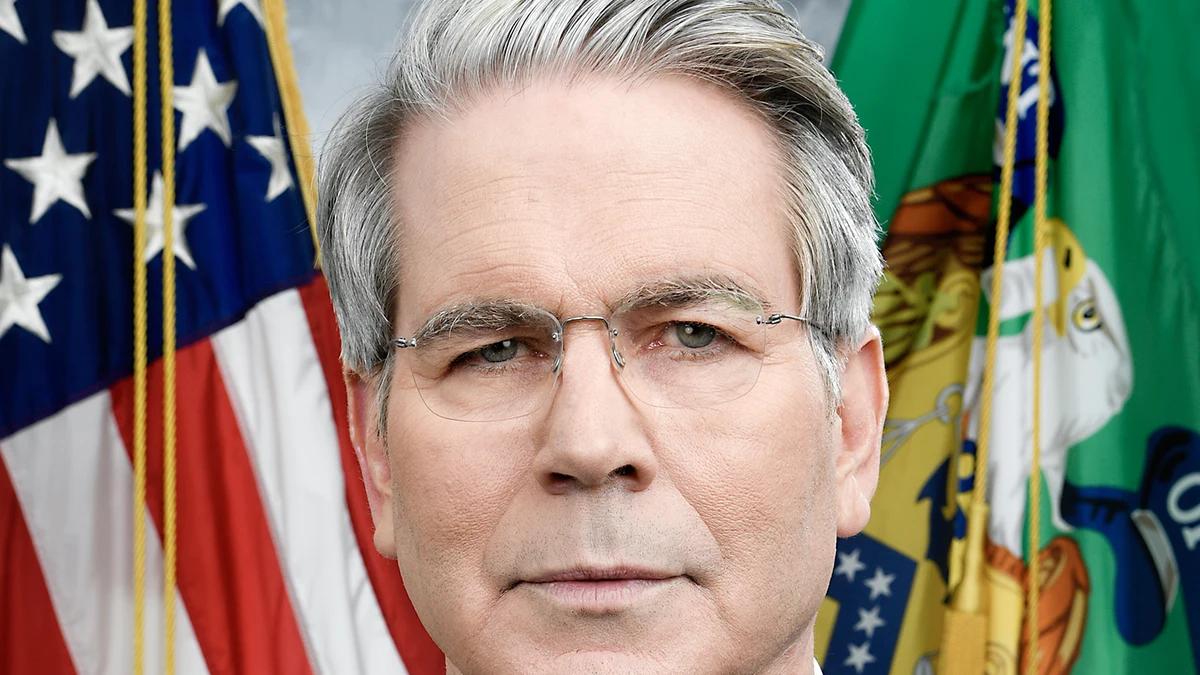
Heightened national security concerns have prompted the relocation of several of President Donald Trump's top cabinet officials and senior White House aides into fortified housing on United States military bases around Washington, D.C., according to defense and intelligence reporting confirmed this week. Treasury Secretary Scott Bessent, Secretary of State Marco Rubio, and White House Chief of Staff Stephen Miller are among the high-ranking figures receiving elevated perimeter protection amid credible foreign assassination plots linked to Iran.
Security agencies determined that moving vulnerable principals and their families onto gated defense installations—such as Joint Base Andrews and Fort McNair—drastically reduces operational exposure compared to private residential neighborhoods across the capital region. The extraordinary protective posture reflects acute retaliation risks following ongoing military confrontations and covert escalations between Washington and Tehran throughout 2026.
Diplomatic Surge in France and Abu Dhabi Peace Talks
Even as domestic security protocols tighten around cabinet leadership, American diplomats are maintaining an aggressive overseas schedule across Europe and the Middle East. Secretary Rubio just concluded high-level consultations in France with French Foreign Minister Jean-Noël Barrot and Ukrainian Foreign Minister Andrii Sybiha, focusing on transatlantic defense industrial coordination and long-term deterrence architecture.
Simultaneously, senior American envoys remain engaged in substantive diplomatic sessions in Abu Dhabi aimed at brokering a durable settlement to the Russia-Ukraine conflict. U.S. negotiators are pressing European and Russian counterparts to formalize a comprehensive security framework intended to bring a final end to active hostilities while safeguarding European territorial stability. Those diplomatic tracks unfolded alongside news that Russia's sitting ambassador to the United States died this week at age sixty-six, adding another sensitive variable to bilateral embassy communications.
Congressional Scrutiny and Middle East Contingency Planning
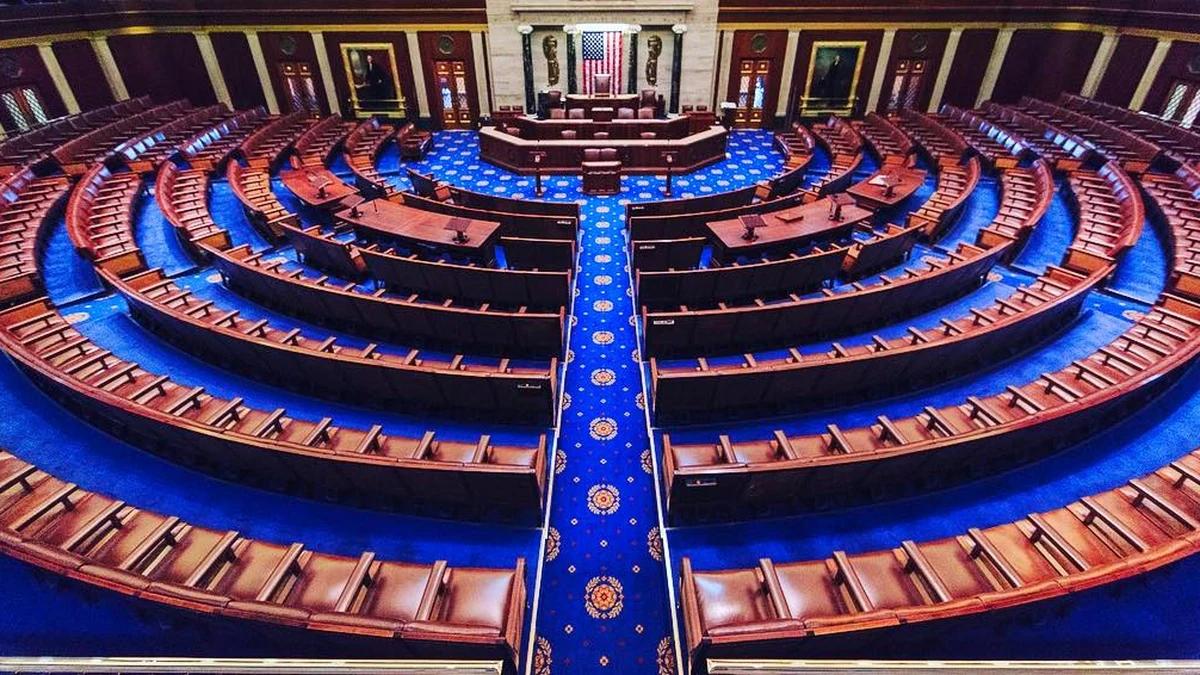
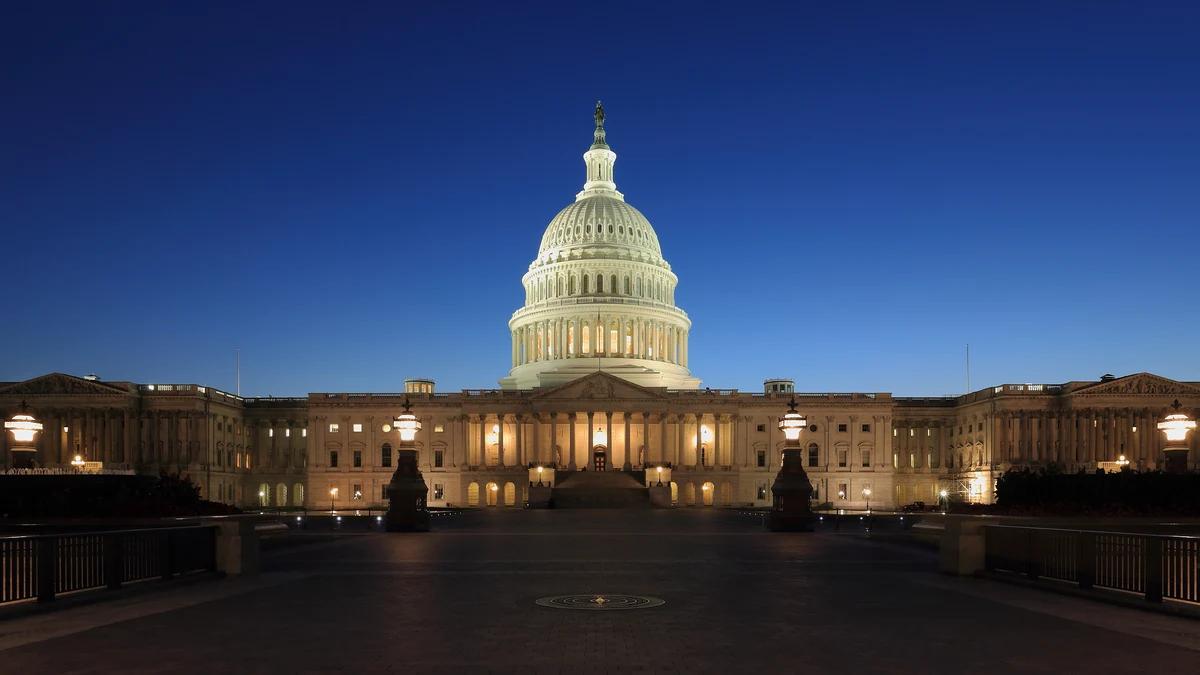
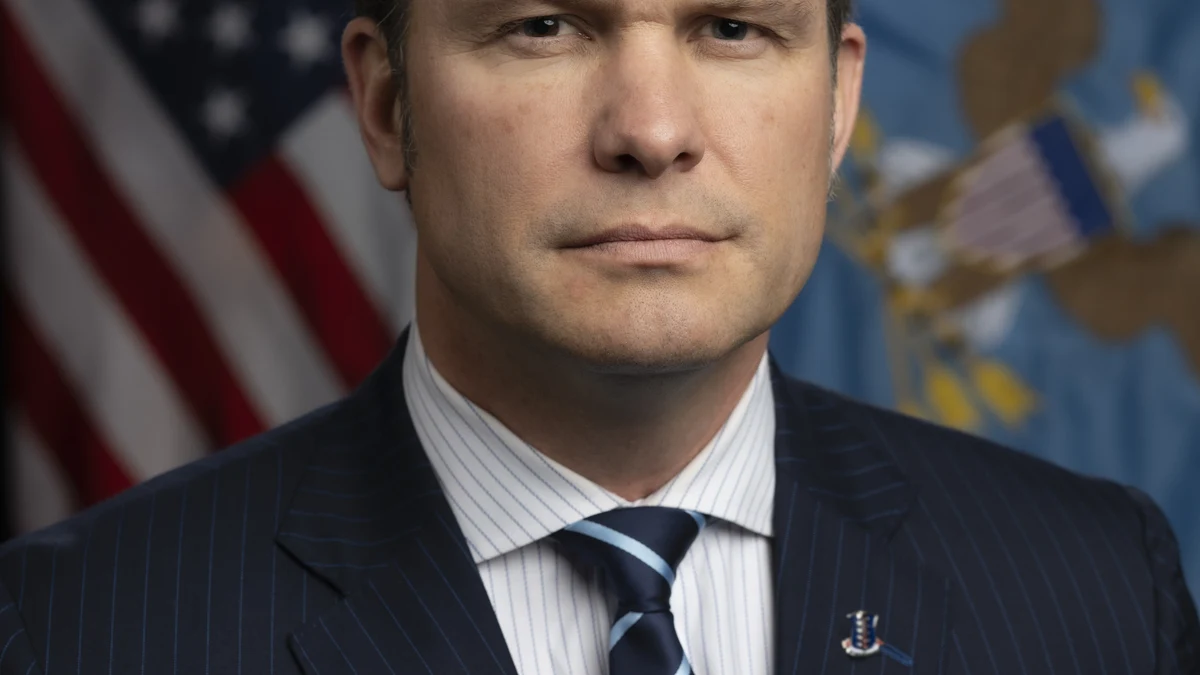
Back in Washington, the administration's Middle East posture continues to generate intense legislative friction. On November 11, House Republicans narrowly blocked a Democratic-backed impeachment resolution targeting Defense Secretary Pete Hegseth over Iran military actions, voting 211 to 204 to refer the articles to committee after nearly a dozen Democrats missed the procedural roll call.
Meanwhile, State Department contingency planners continue to monitor regional threat levels across the Persian Gulf following earlier authorized departures of non-emergency personnel in Saudi Arabia, underscoring the fragile intersection between high-stakes diplomacy and force protection across the globe.