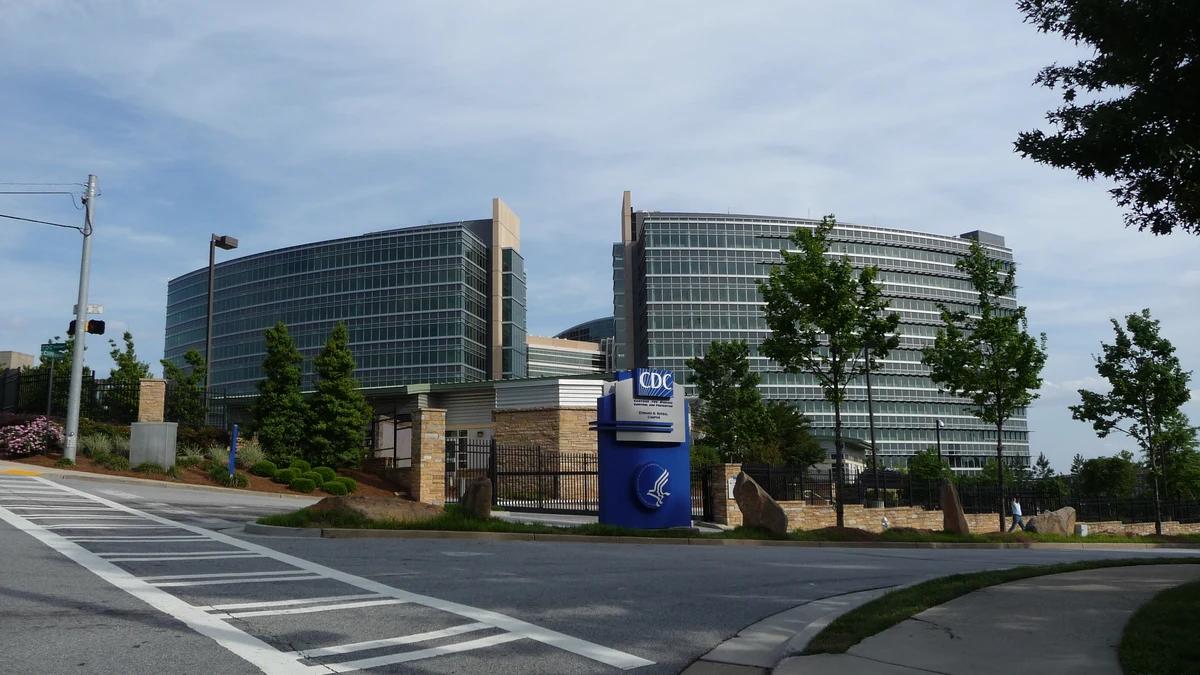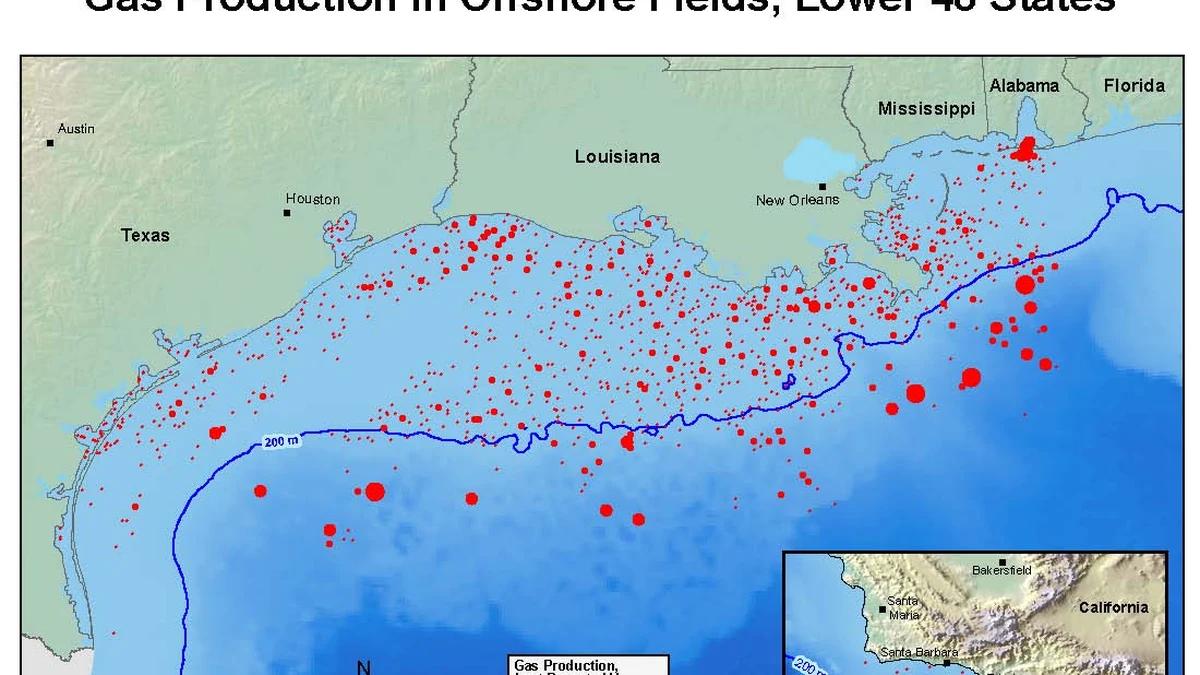
The U.S. Department of Energy's Office of Energy Dominance Financing announced the financial close of a $480 million federal loan backing Arena Energy's "Project Elkhorn," a sweeping offshore infrastructure modernization initiative spanning the Gulf of Mexico shelf. The capital infusion will fund structural upgrades, subsea tiebacks, and enhanced recovery equipment across twenty-two offshore oil and natural gas production platforms located off the Louisiana coastline.
Energy Department officials stated that Project Elkhorn exemplifies the administration's strategy of extending the productive lifespan of existing domestic hydrocarbon basins while reinforcing American energy security amid turbulent global supply chains. By revitalizing mature shelf assets with modern compression and monitoring hardware, Arena Energy anticipates unlocking significant incremental barrels of light sweet crude and associated natural gas without requiring greenfield deepwater exploration.
Global Maritime Tensions and EIA Production Outlook
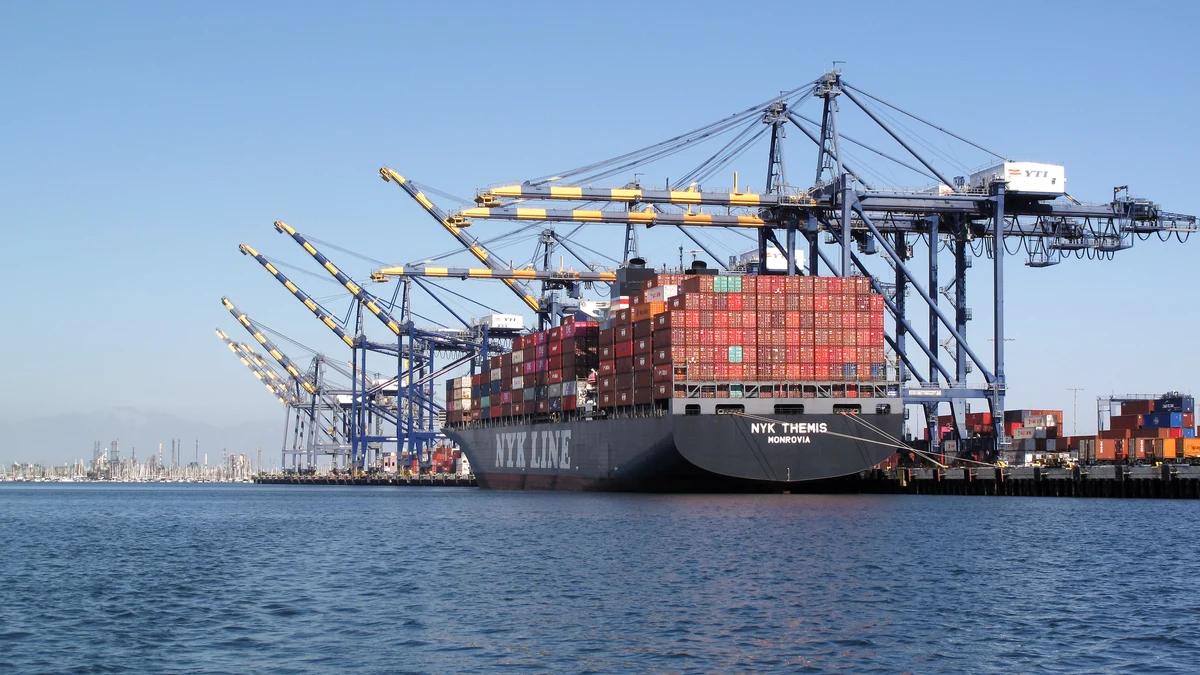
The financing close coincides with heightened volatility across international energy benchmarks. Benchmark Brent crude has traded near the $95 to $100 per barrel corridor in recent sessions as maritime insurers and shipping firms weigh fluctuating diplomatic signals surrounding the U.S.-Iran standoff and security conditions near the Strait of Hormuz. Strong domestic offshore production is widely viewed by Washington policymakers as an essential buffer against Middle Eastern supply shocks.
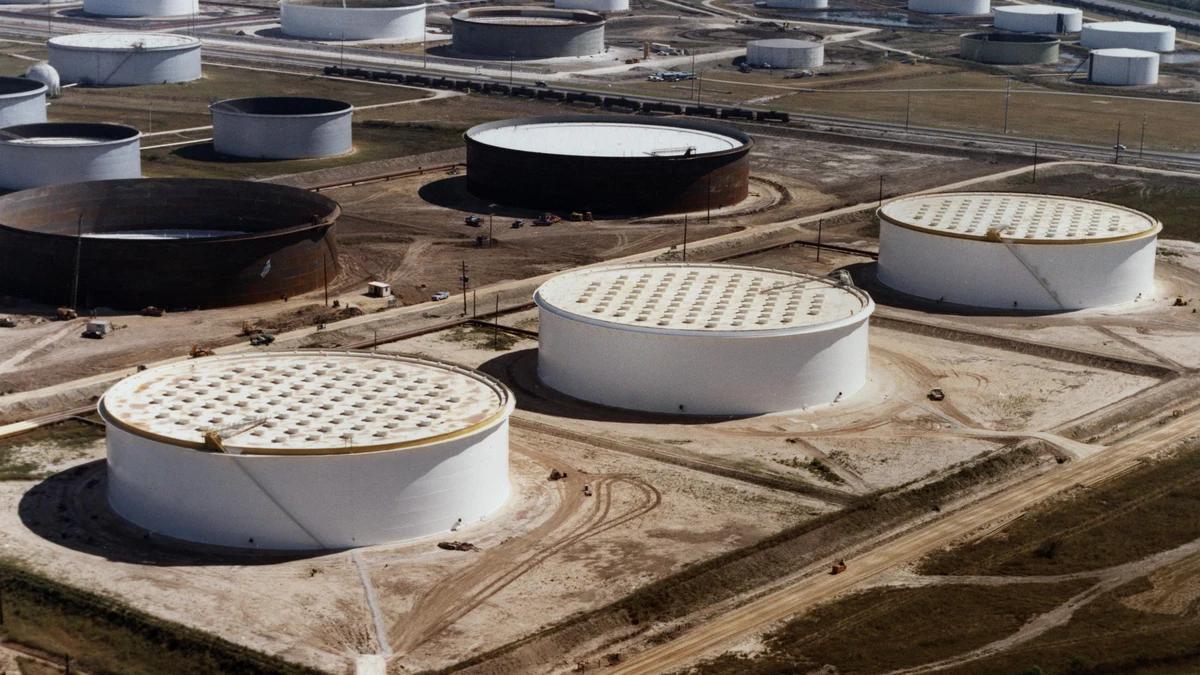
Supporting that domestic supply cushion, the U.S. Energy Information Administration's latest Short-Term Energy Outlook projected American crude oil output to average roughly 13.9 million barrels per day across 2026. Additionally, unseasonably mild early-November temperatures allowed utilities to build natural gas storage inventories ahead of peak winter heating months, tempering immediate spikes in residential heating futures.
Grid Capacity Deals Address Surging Industrial Demand
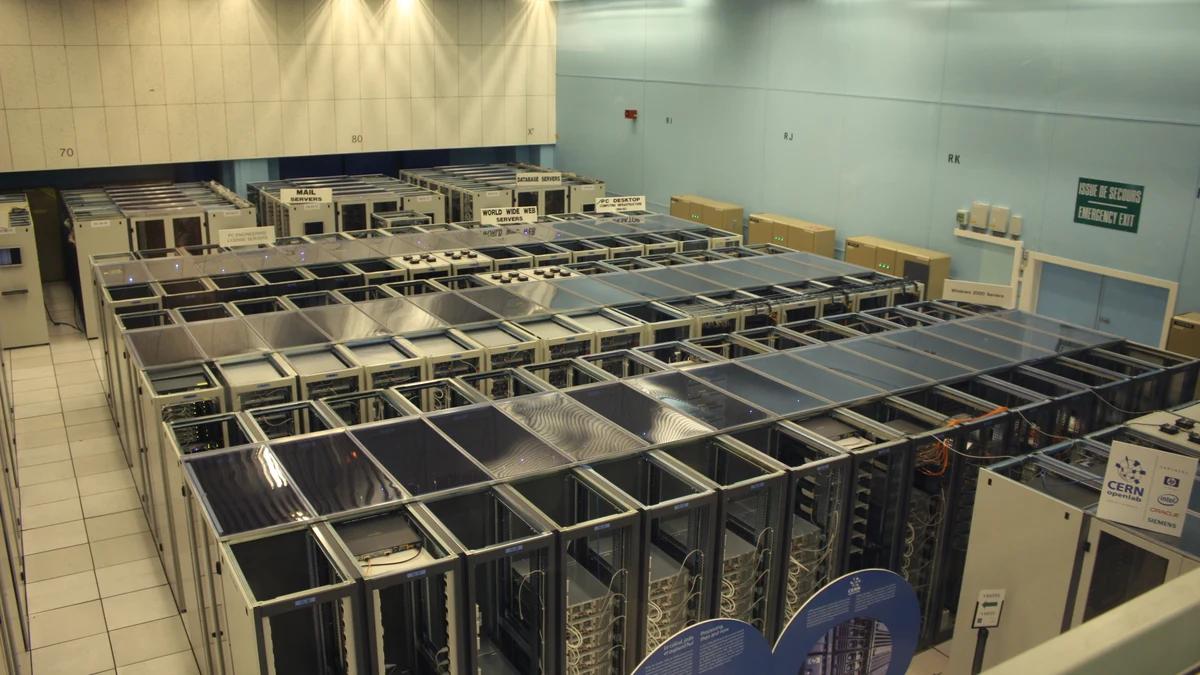
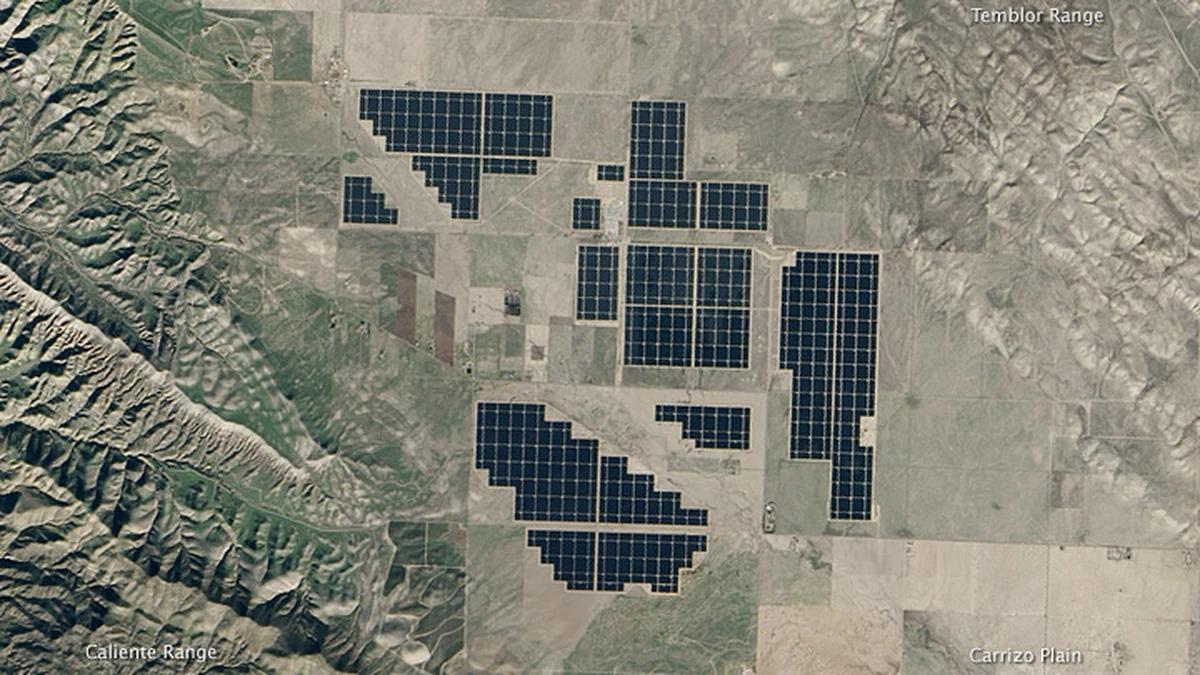
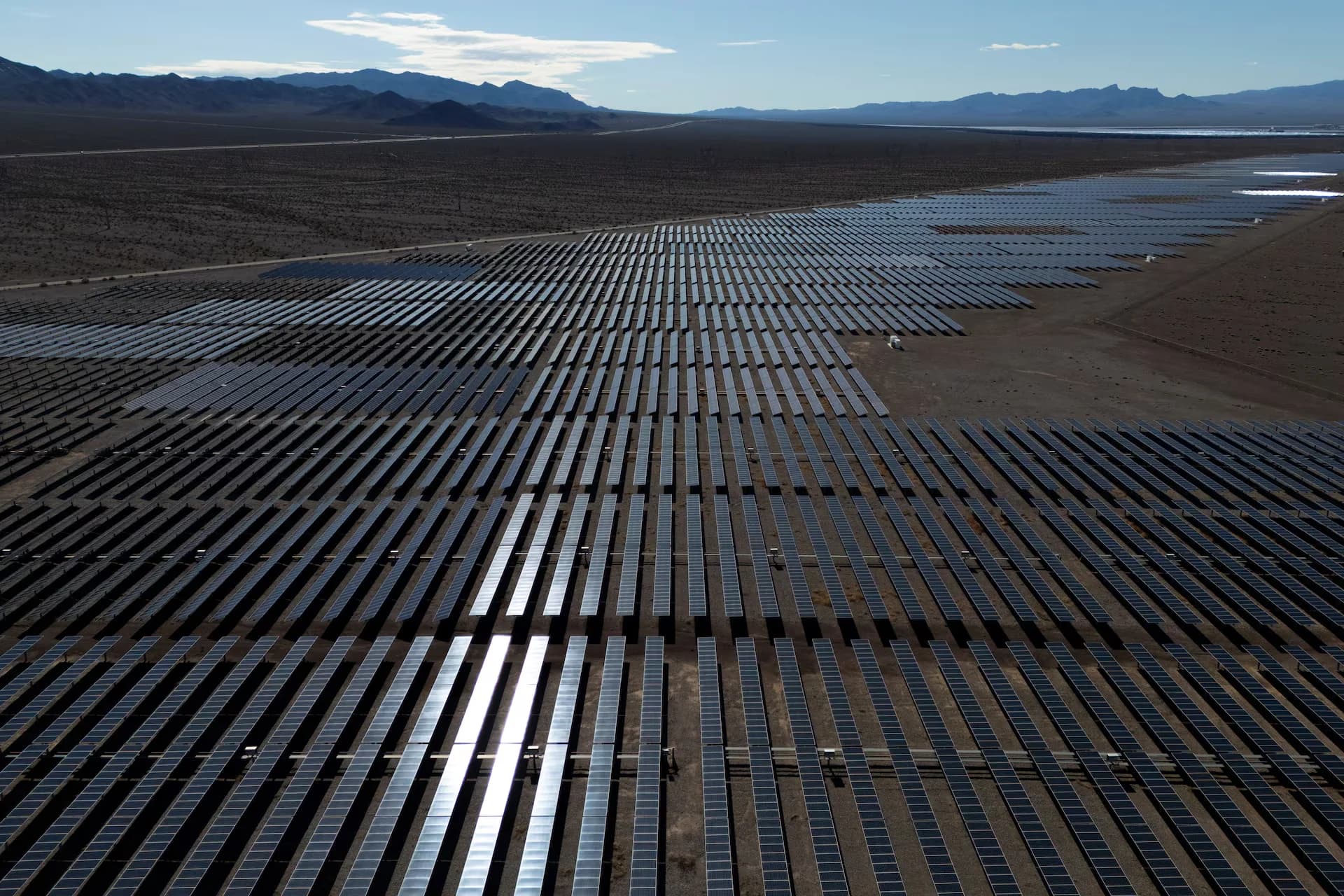
On the electric power side of the ledger, independent power producers and grid technology firms announced significant capacity milestones to keep pace with expanding manufacturing and data center electricity consumption. Talen Energy unveiled a landmark seven-year, 750-megawatt capacity agreement within the PJM Interconnection market, securing long-term baseload supply commitments. Simultaneously, Oracle Opower reported that North American utilities deploying its behavioral and AI-assisted demand-response software delivered a record 1 gigawatt of peak load reduction year-to-date, easing stress on regional transmission grids.
Still, energy policy analysts warn that broader bipartisan permitting reform faces steep legislative odds in Washington following the 2026 midterm elections, with incoming congressional majorities poised to scrutinize fossil-fuel loan guarantees and pipeline approvals closely in 2027.