Independent epidemiologists and state public health directors issued an urgent warning this week that the United States stands on the brink of losing its official measles-elimination status—a public health benchmark maintained continuously since 2000—after nationwide infections surged past 5,400 confirmed cases. The escalating multi-state outbreak now represents the most severe domestic resurgence of the highly contagious respiratory virus in thirty-five years.
Under Pan American Health Organization and World Health Organization criteria, a country loses elimination status if an endemic chain of transmission persists uninterrupted for twelve consecutive months. Epidemiological tracing shows sustained community spread across multiple regional clusters, particularly within school districts and under-vaccinated communities where kindergarten measles-mumps-rubella (MMR) immunization coverage has slipped well below the 95 percent herd-immunity threshold.
Vaccine Policy Debates and Clinical Burden on Hospitals
The surge has intensified scrutiny over federal immunization messaging and guidance issued by Health and Human Services leadership. Pediatric associations, infectious disease specialists, and former federal health officials criticized mixed public messaging around childhood vaccine schedules, arguing that hesitancy and non-medical exemptions have hollowed out community defenses against a preventable pathogen.
Clinicians note that measles is far from a benign childhood rash; roughly one in five unvaccinated individuals who contract the virus require hospital care for complications ranging from severe dehydration and viral pneumonia to acute encephalitis. Pediatric emergency departments in affected states have had to reinstate strict airborne isolation protocols, straining seasonal respiratory staffing just as winter influenza and RSV admissions climb.
Guidance for Families and Community Clinics
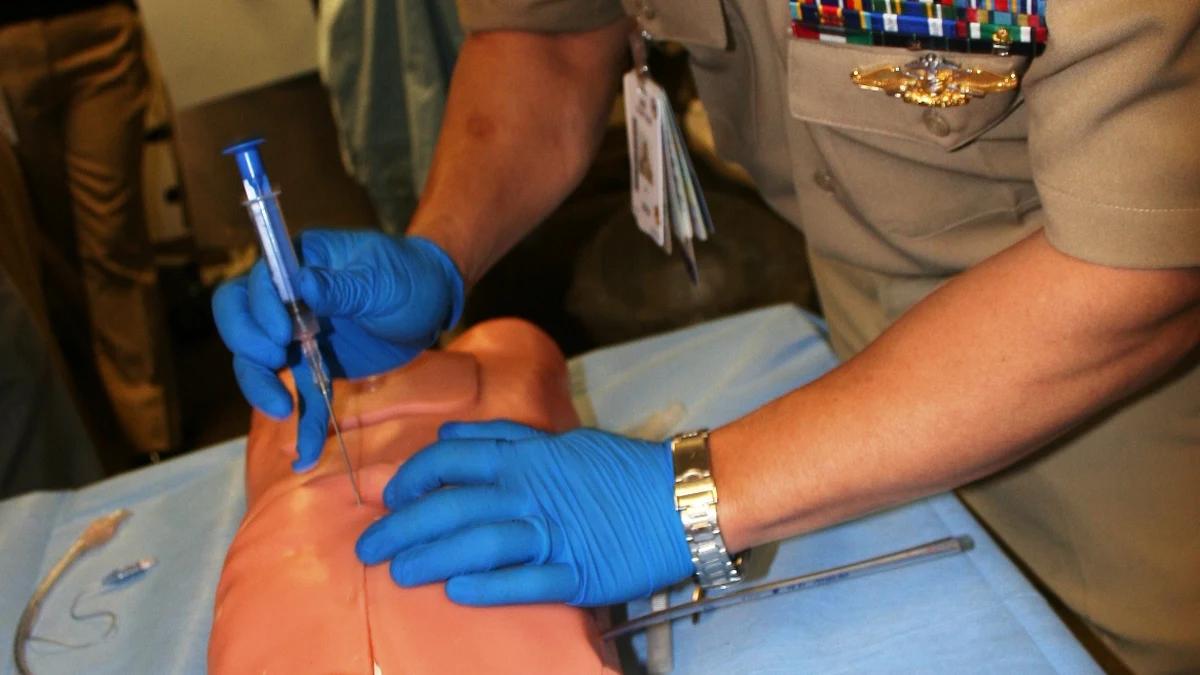
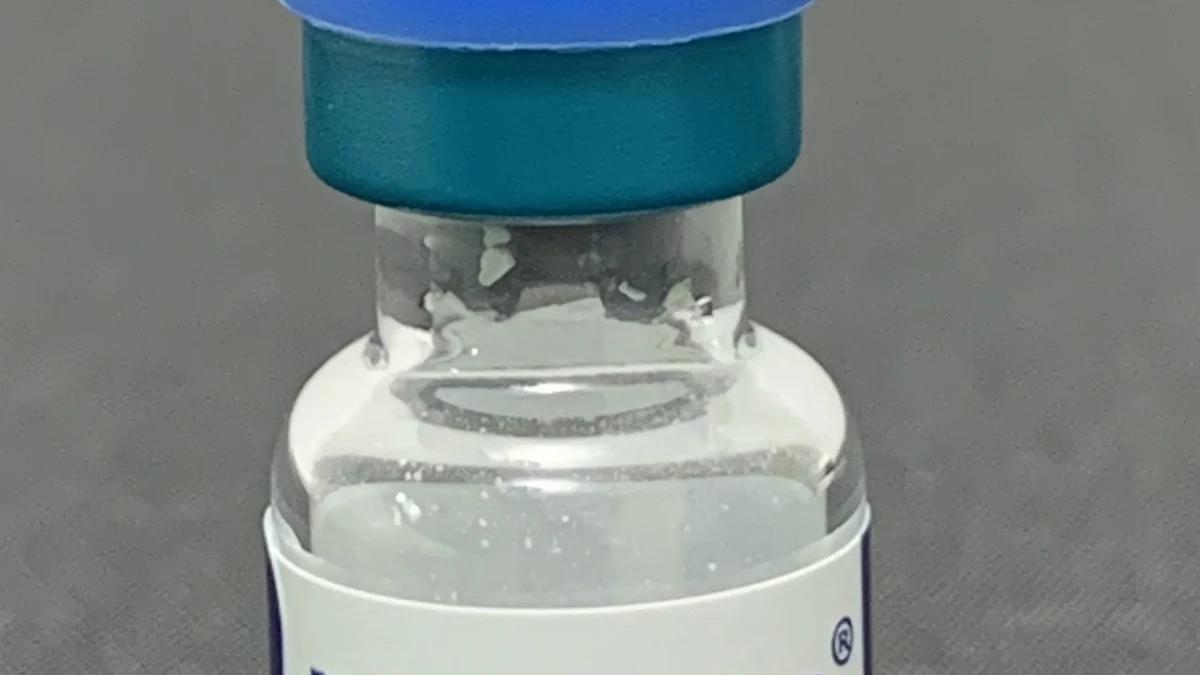
County health departments are mobilizing mobile vaccination clinics, expanding school-nurse outreach, and urging parents to verify immunization records ahead of Thanksgiving and winter holiday travel. Medical guidelines confirm that two standard doses of the MMR vaccine provide roughly 97 percent lifelong protection against infection.
Public health communicators emphasize that restoring trusted, neighborhood-level dialogue with primary care pediatricians remains the single most effective tool for reversing declining vaccination rates and protecting infants too young to receive their first dose.