Concluding high-level defense dialogues in Manila, United States President Donald Trump arrived in Shenzhen, China, on Wednesday afternoon for the 2026 Asia-Pacific Economic Cooperation (APEC) Leaders' Summit, setting the stage for what diplomatic observers describe as the most consequential superpower economic encounter of the decade.
Shenzhen—the gleaming technological heartland of southern China's Greater Bay Area—provides an evocative backdrop for the summit. The metropolis symbolizes both China's rapid rise into advanced robotics and semiconductor manufacturing and the epicenter of intensifying commercial rivalry with the United States.
A Clash of Competing Economic Philosophies
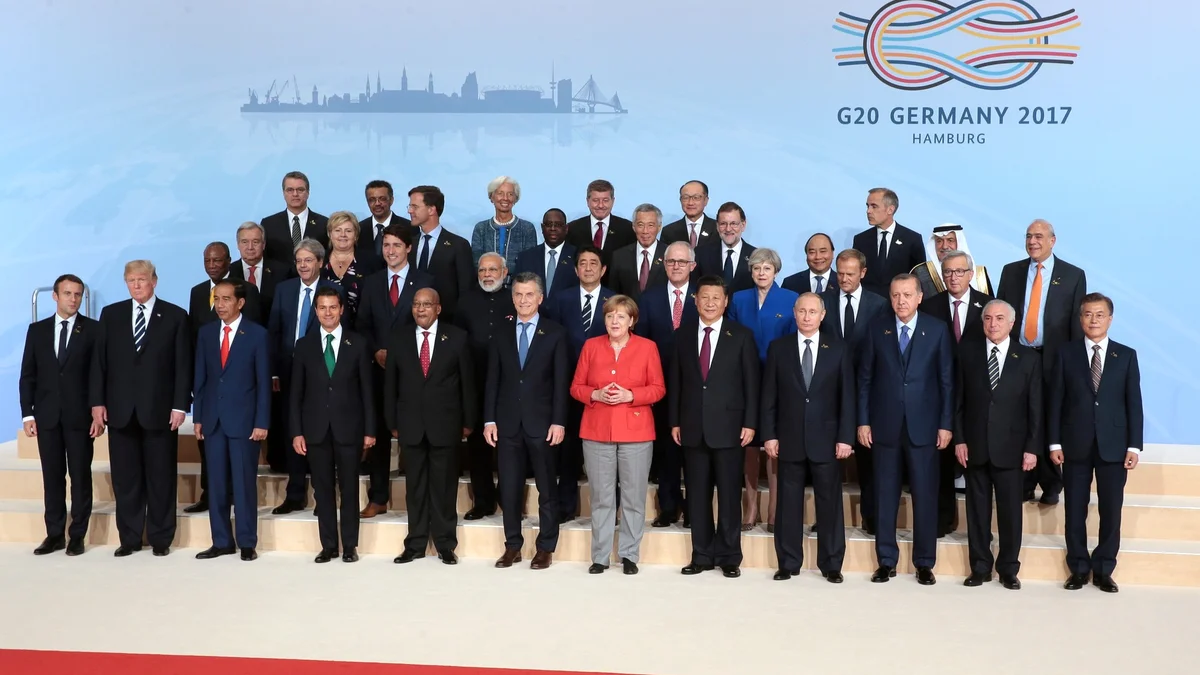
The summit convenes heads of state representing 21 Pacific Rim economies accounting for over 60 percent of global gross domestic product. Opening addresses highlighted starkly contrasting visions for the future of international trade.
Chinese President Xi Jinping opened ministerial sessions with a robust defense of multilateralism and open supply chain corridors, cautioning against "protectionist fragmentation and unilateral tech barriers"—a thinly veiled rebuke of recently expanded American export curbs on artificial intelligence accelerators and reciprocal tariff policies. In contrast, President Trump reiterated his administration's insistence that global trade must be rooted in strict reciprocity, sovereign manufacturing protections, and verified national security safeguards.
"The United States will no longer tolerate one-sided trade arrangements that hollow out our domestic manufacturing base while subsidizing foreign state-backed industries," administration officials traveling with the president briefed reporters. "We are in Shenzhen to negotiate from a position of economic strength, clear boundaries, and fair reciprocity."
Anticipated Bilateral Superpower Talks
Behind the public plenary addresses, intense bilateral negotiations are unfolding between American and Chinese economic delegations led by Secretary of State Marco Rubio, Treasury officials, and their Chinese counterparts. Deliberations center on market access for agricultural commodities, intellectual property safeguards in generative artificial intelligence, and reciprocal licensing frameworks for automotive batteries and critical minerals.
Leaders from middle-power Pacific economies—including Indonesia, Mexico, Canada, and South Korea—are actively working to preserve regional trade agreements and prevent a bifurcated global trading system. As official bilateral superpower meetings commence, business leaders across the Pacific Rim are watching intently for any signals of diplomatic stabilization that could restore predictability to international markets.