United States Central Command (CENTCOM) confirmed on Thursday that American naval aviation and precision-guided missile assets executed targeted retaliatory strikes against hostile coastal defense infrastructure and drone launch facilities located on Qeshm Island in the strategic Strait of Hormuz, following a dangerous escalation of maritime attacks targeting international commercial vessels.
The coordinated military operation occurred in the pre-dawn hours after regional air defense batteries in Bahrain and Kuwait intercepted multiple inbound anti-ship cruise missiles and loitering attack munitions launched toward international shipping lanes. The Strait of Hormuz serves as the maritime transit chokepoint through which approximately one-fifth of global petroleum liquids pass daily.
Precision Neutralization of Coastal Radar and Drone Facilities
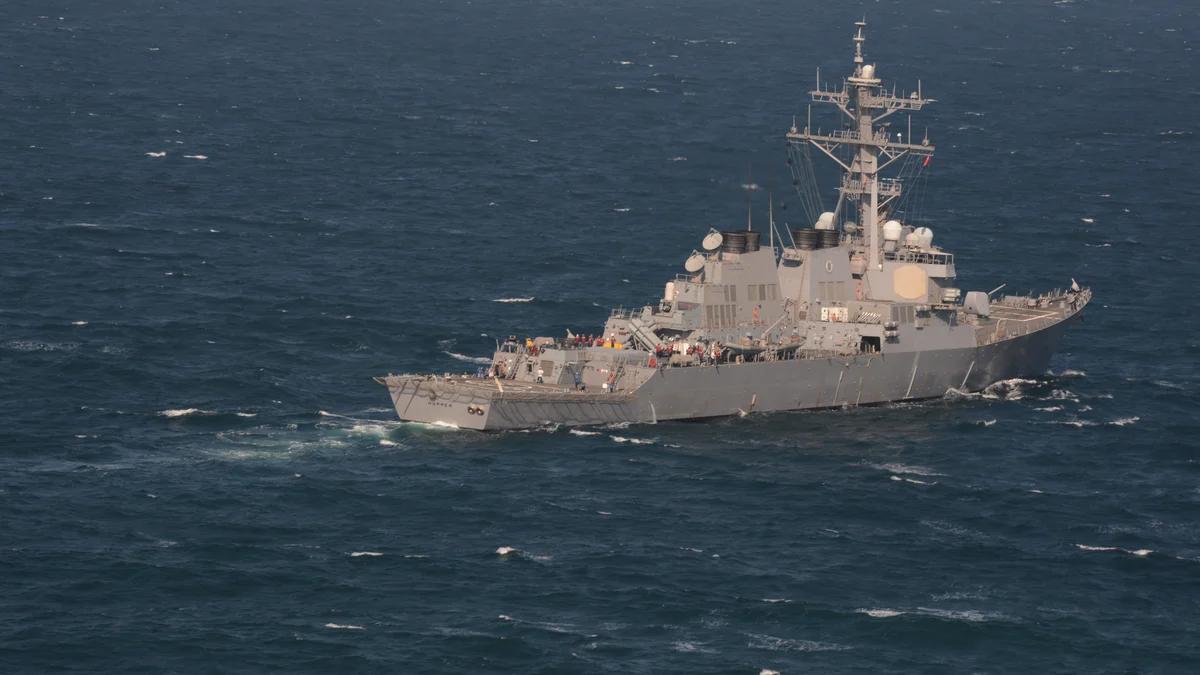
According to defense officials briefing reporters at the Pentagon, the precision strikes utilized carrier-launched F/A-18 Super Hornets and ship-launched Tomahawk land-attack missiles to destroy two radar surveillance installations, a coastal missile battery, and a hardened subterranean storage hangar utilized by regional paramilitary forces to coordinate fast-attack drone swarms.
"Our actions this morning were measured, proportionate, and strictly designed to degrade the operational capability of hostile elements attempting to disrupt lawful commercial navigation in international waters," CENTCOM Commander General Michael Kurilla stated in an official dispatch. "The United States does not seek armed conflict or broad regional escalation. However, we will defend our armed forces, our regional allies, and the foundational principle of freedom of navigation with decisive and overwhelming lethality whenever threatened."
Diplomatic Repercussions and Energy Market Volatility
The military action sparked immediate diplomatic ripples across the United Nations Security Council, where diplomats called an emergency closed-door consultation to prevent further tit-for-tat kinetic exchanges between regional adversaries. Oil markets reacted with acute sensitivity: Brent crude futures surged 3.2 percent in early European trading, climbing above $84 a barrel before moderating as maritime shipping registries confirmed tanker traffic continued under allied escort.
Vice President JD Vance, addressing national security correspondents in Washington, reiterated the administration's resolve to maintain commercial maritime access while pushing back firmly against foreign adventurism. Regional security analysts emphasized that while allied air defense networks have successfully intercepted recent projectile barrages, ongoing kinetic friction highlights the profound fragility of global energy transit routes in the Persian Gulf.