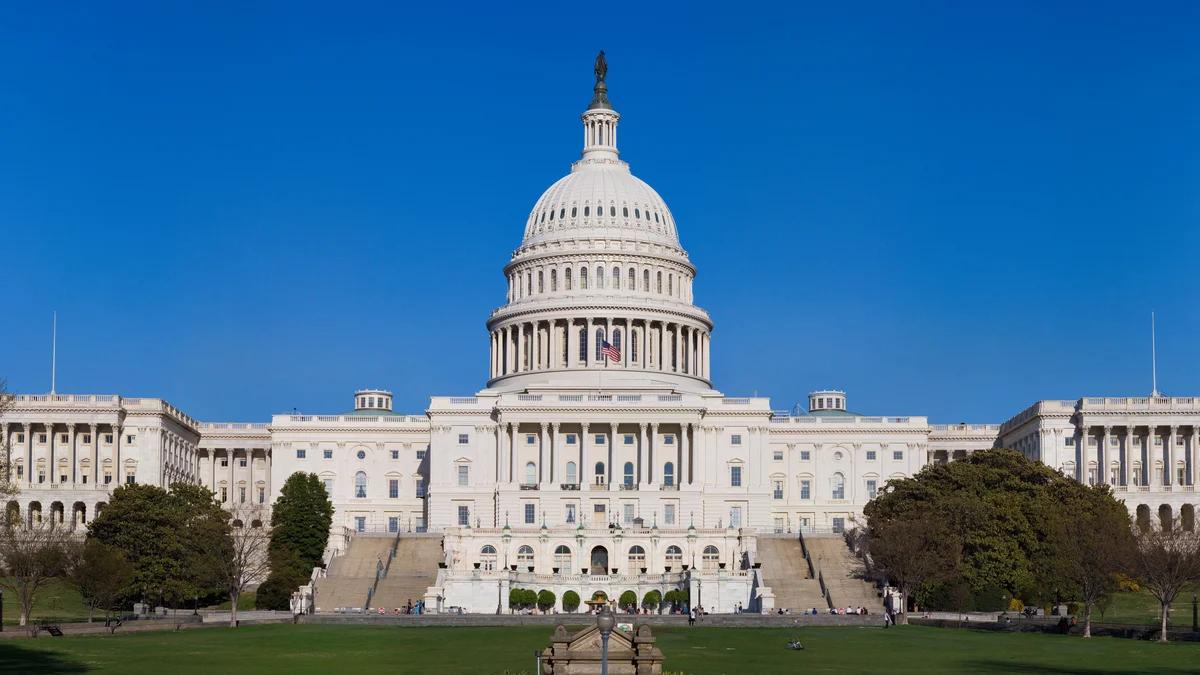
Two months before the gavels fall to open the 120th Congress, the political atmosphere in Washington has already curdled into something far more dangerous than ordinary partisan gridlock. With White House Counsel William Scharf warning incoming House committee chairs that their proposed investigations "may cross the line into blatant criminality" and Democratic leaders promising relentless subpoenas into administration contracting, pardons, and regulatory rollbacks, the capital is careening headlong into a destructive oversight trap.
Separation of powers is the cornerstone of the American constitutional republic. When voters elect a divided government—as they emphatically did in the November midterms by returning Democratic majorities to Capitol Hill—they expect Congress to serve as an energetic, independent check on executive authority. Subpoenas, document demands, and committee hearings are the legitimate constitutional instruments through which the people's representatives illuminate official misconduct and hold power accountable.
The Dangerous Drift From Inherent Oversight to Preemptive Defense
Yet the rhetoric emerging from both ends of Pennsylvania Avenue suggests that neither side is preparing for constructive constitutional friction. Instead, Washington is preparing for total institutional warfare. By branding standard legislative inquiry as potentially criminal and floating counter-investigations into committee staff, the White House is adopting an unprecedented posture of preemptive defiance that seeks to delegitimize the core Article I oversight function before a single hearing has convened.
Conversely, congressional leaders face their own profound temptation. In the intoxicating aftermath of a midterm victory, committee gavels can easily become weapons of performative spectacle rather than instruments of legislative reform. If the incoming majority spends the next twenty-four months issuing hundreds of sweeping, scattershot subpoenas designed primarily to dominate cable news cycles and generate viral campaign clips, they will squander their mandate and exhaust the patience of an already cynical public.
"Congressional oversight is most powerful when it is disciplined, focused, and tethered to verifiable statutory reform," observed constitutional scholar David Strauss. "When oversight degenerates into permanent procedural trench warfare, the courts become bogged down in endless privilege litigation, government agencies freeze into bureaucratic paralysis, and the vital daily work of governing the nation is completely abandoned."
The High Cost of Institutional Paralysis
The true victim of permanent subpoena warfare is the American public. While lawyers and committee chairs wage war over document redactions and executive privilege claims, existential national challenges will go unaddressed: aging aviation and telecommunication networks will continue suffering catastrophic failures, critical clean energy permitting will remain hopelessly stalled, and soaring entitlement costs will march unchecked toward insolvency.
Divided government has historically produced monumental legislative achievements—from tax reform under Reagan to welfare reform under Clinton—precisely because friction forced political leaders to negotiate from positions of mutual vulnerability. If Washington in 2027 chooses total procedural war over constitutional accommodation, it will prove that our political class has forgotten how to govern a complex republic.