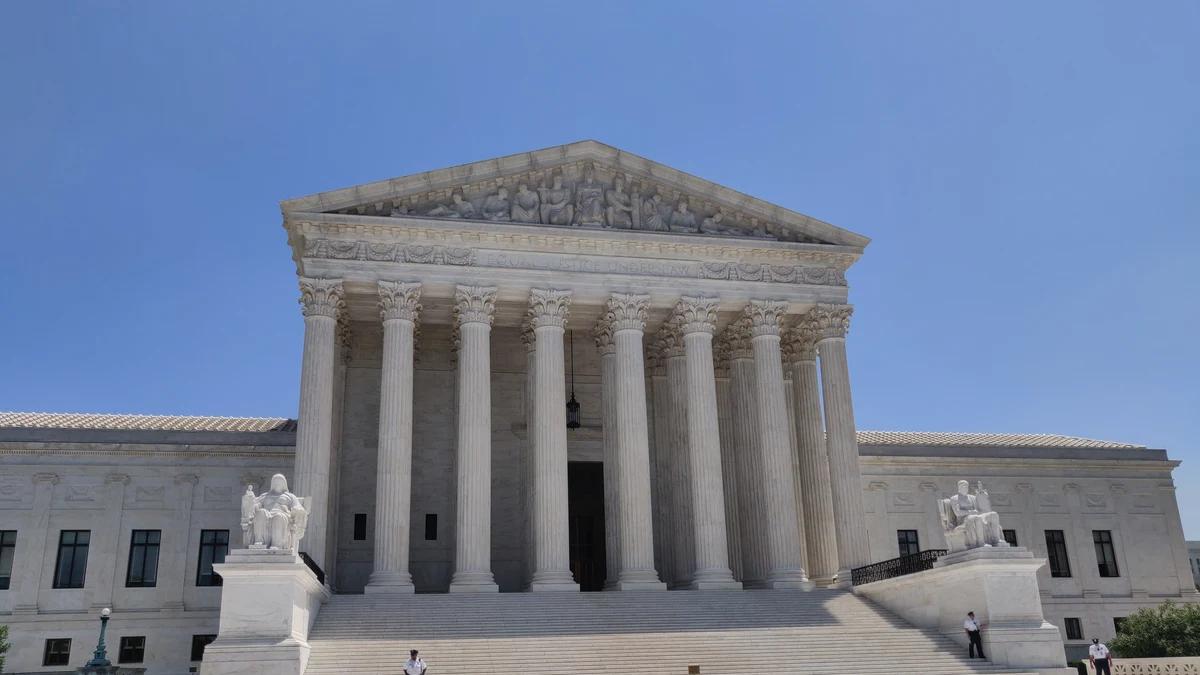
The Supreme Court of the United States announced on Saturday that it has granted certiorari to review a landmark federal appeals court ruling that struck down President Donald Trump's sweeping executive order barring undocumented migrants from seeking humanitarian asylum along the southwest international boundary.
The high court's decision to accept the administration's expedited appeal sets the stage for a monumental constitutional confrontation during the Court's spring term, placing the justices at the center of a fundamental struggle over the limits of executive power, statutory congressional intent, and international treaty obligations.
Executive Discretion Versus Statutory Asylum Protections
At issue is an executive proclamation signed by President Trump invoking Sections 212(f) and 215(a) of the Immigration and Nationality Act (INA), which grant the president broad authority to suspend the entry of non-citizens deemed "detrimental to the interests of the United States." The administration argued that unprecedented migration pressures and cross-border drug cartel operations constitute an ongoing emergency empowering the executive branch to categorically reject asylum claims outside formal commercial ports of entry.
However, federal district judges and the U.S. Court of Appeals for the Ninth Circuit ruled against the administration, holding that Section 208 of the INA explicitly guarantees any non-citizen physically present in the United States—regardless of whether they crossed at a designated checkpoint—the statutory right to apply for asylum. Civil rights coalitions led by the American Civil Liberties Union (ACLU) maintained that while the president possesses broad entry-suspension powers, executive orders cannot unilaterally overwrite unambiguous congressional statutes establishing humanitarian protections.
"The law passed by Congress is unmistakable: anyone on American soil has the right to seek protection from persecution," stated lead ACLU immigrant rights counsel Lee Gelernt following the certiorari announcement. "The executive branch does not possess royal prerogative to repeal federal statutes by decree."
Broader Geopolitical and Diplomatic Stakes
The impending Supreme Court review arrives as the administration executes aggressive immigration enforcement across multiple fronts. Solicitor General attorneys argued in petition briefs that judicial nationwide injunctions have crippled the executive branch's ability to negotiate bilateral migration containment pacts with Mexico and Central American transit nations.
Legal scholars anticipate that the Supreme Court's ruling, expected by late June 2027, will establish a definitive judicial precedent concerning whether presidential emergency powers can override domestic statutory frameworks during peacetime border enforcement. In the interim, lower-court injunctions remain partially in effect, requiring federal border agents to continue processing asylum seekers through standard expedited removal screenings.